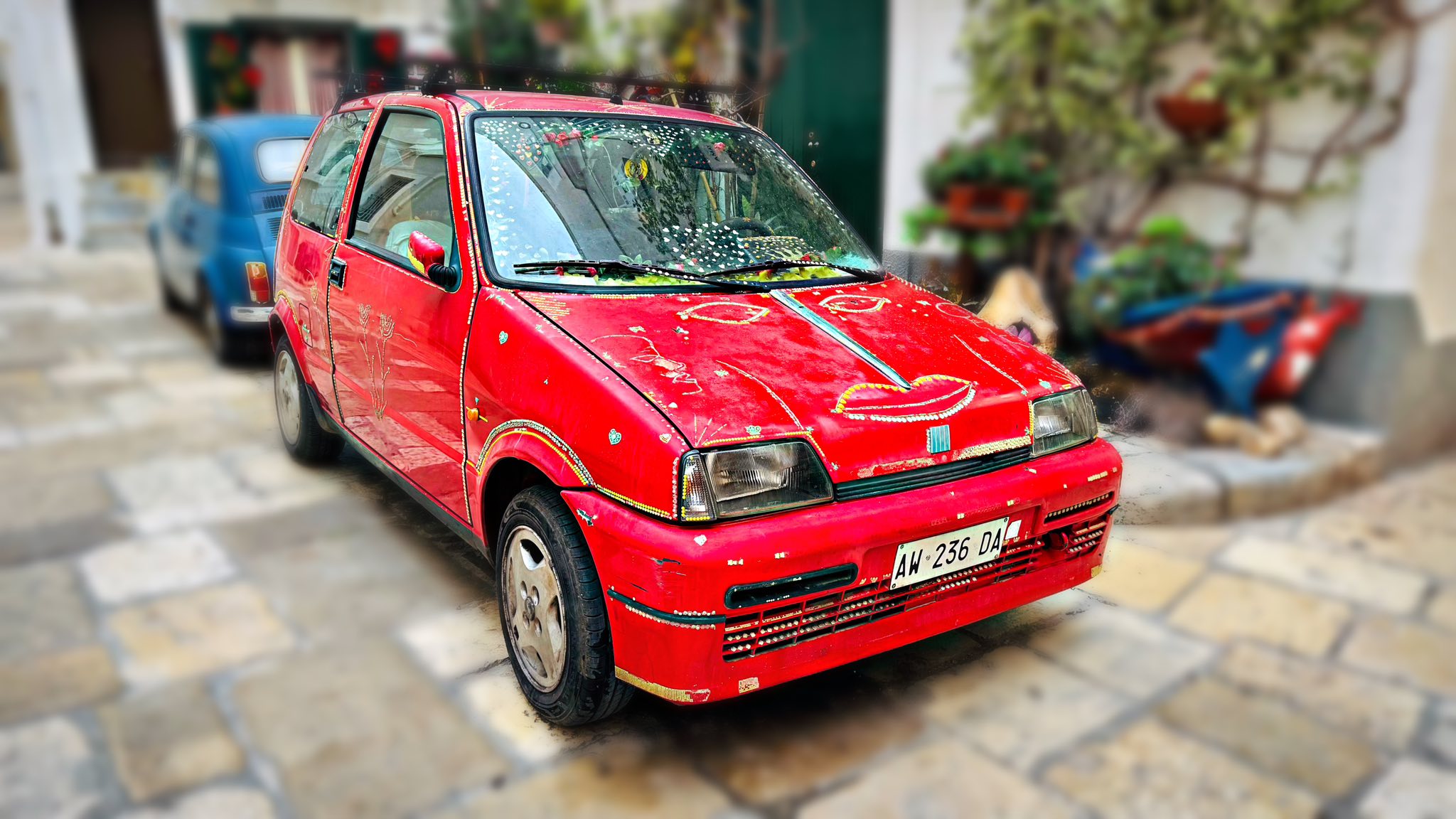
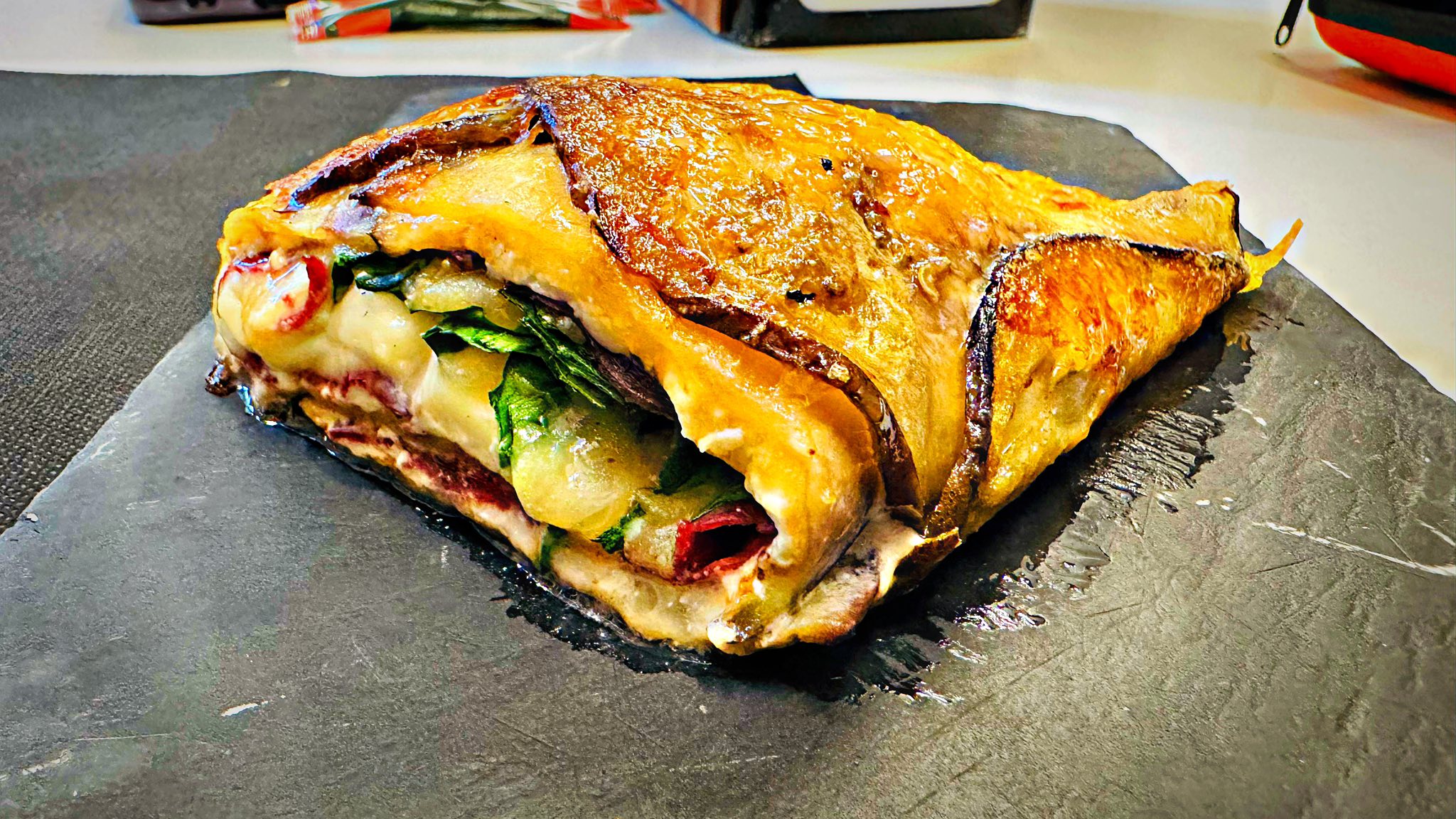
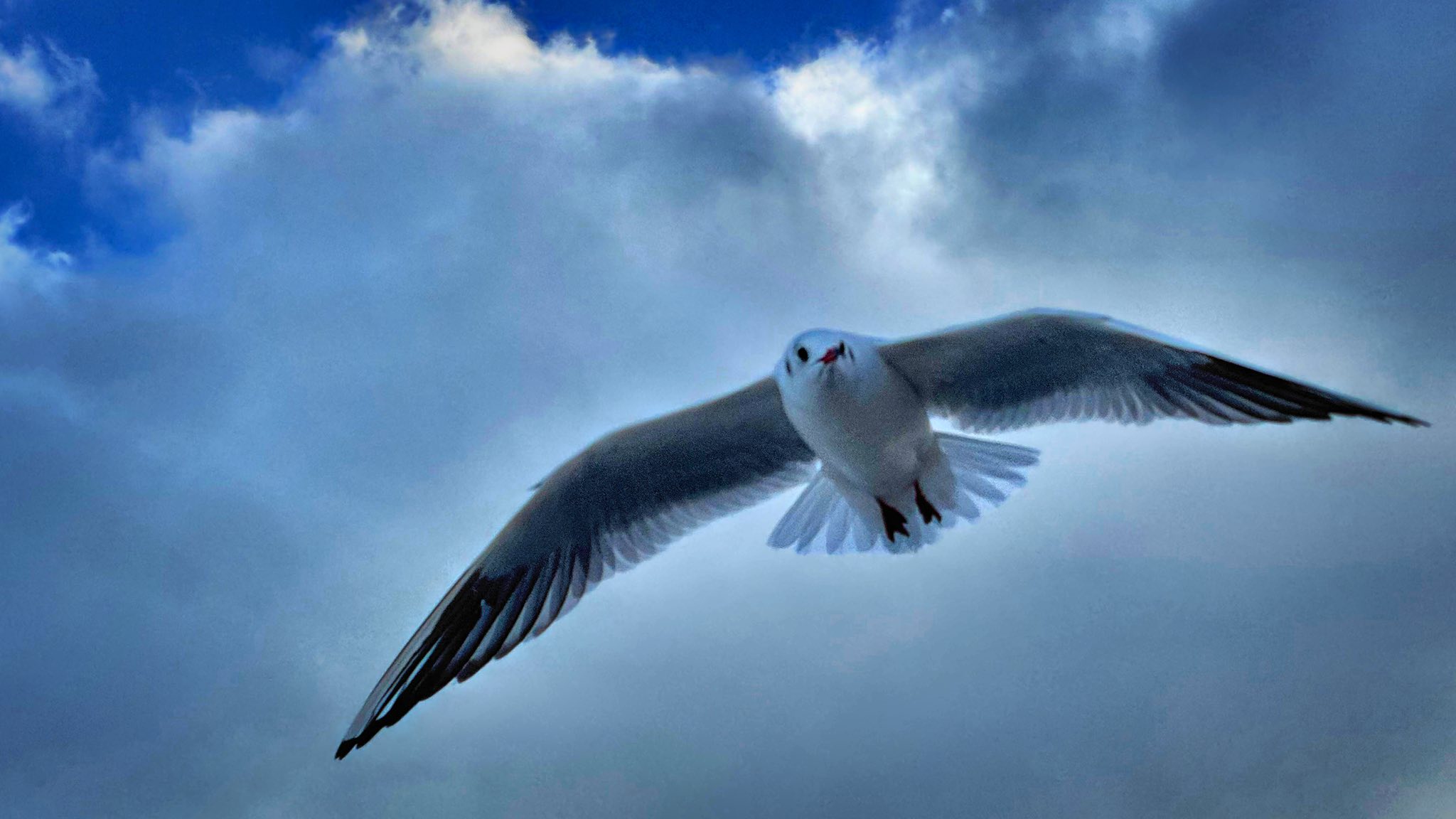
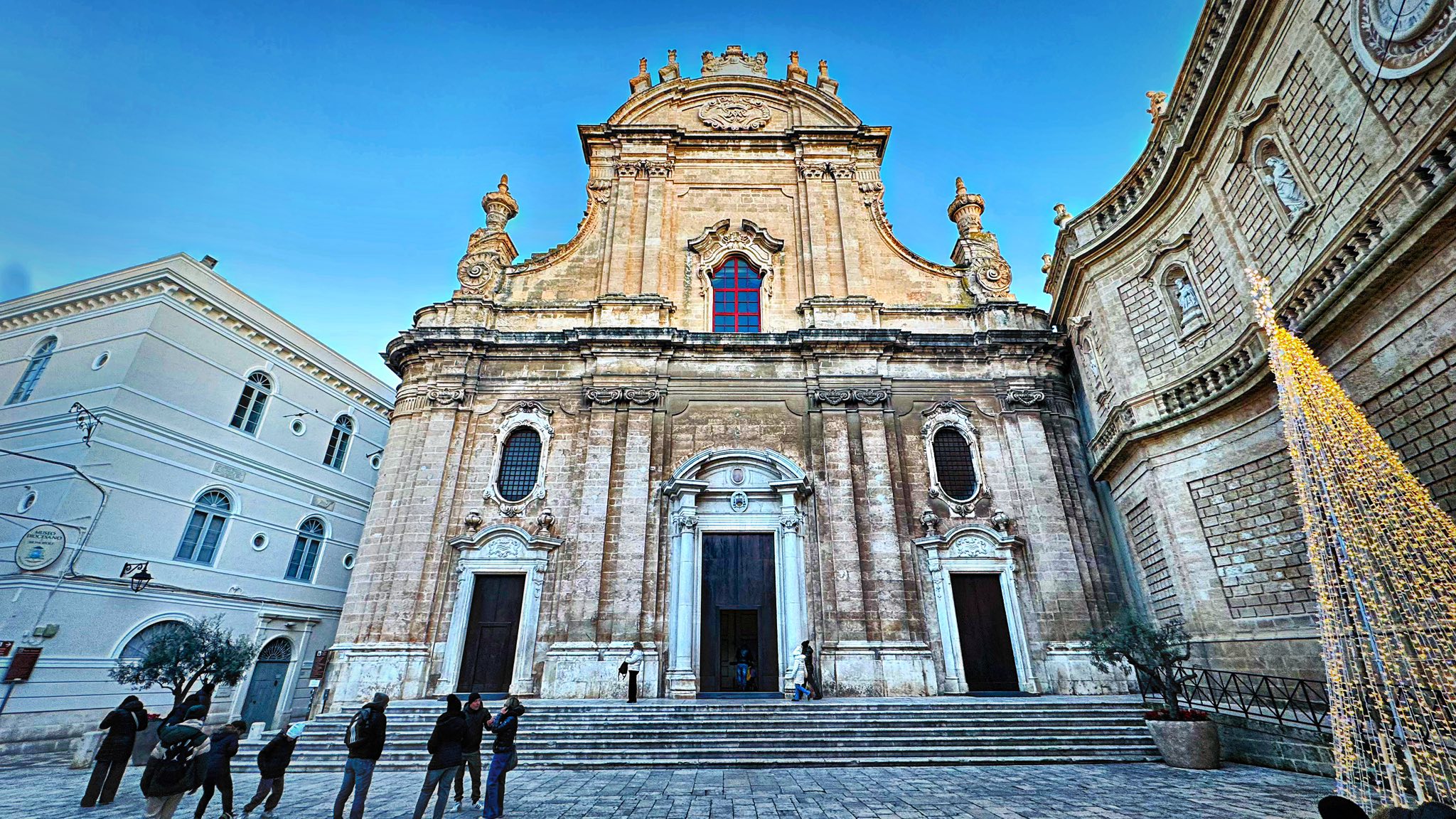
❤️🇮🇹 I was in a movie. A real one. And for a few days, I was Italian.
For me, Monopoli had always been the kind of place I’d passed through many times, but never truly stayed in. And there’s a huge difference between passing through and staying. When you stay, it’s no longer about the “city,” it’s about people. About how they look at you without suspicion, how they talk to you even if you don’t speak the same language, about that familiarity that shows up surprisingly fast in smaller towns—especially in seasons when they aren’t overrun by tourists.
Food, obviously, is part of the story. But not as a spectacle, not as pretty pictures for Instagram. As an excuse. An excuse to sit, to talk, to order something else, to wait a little longer. In Monopoli, food isn’t a “gastronomic experience”—it’s everyday life. Tiny shops, neighborhood grocers, cafés where you walk in three times in the same morning and no one looks at you funny. Food is the bond between you and the city.
Monopoli isn’t a place you pass through. It’s a place you stay.
And maybe that’s why I liked Monopoli so much. Because it doesn’t try to be anything other than what it is. A seaside town, with a harbor, white alleyways, old walls, and people living their lives quietly. And if you arrive here with an open appetite and a clear head, there’s a very good chance you’ll leave with more than just a few photos. 😍
We arrived late at night, after a delayed flight—tired and not in the mood for anything complicated. Train, taxi, luggage—the kind of arrival where you don’t have the energy to get excited, and you don’t even have the energy to complain. Just hunger. The serious kind. Italy, though, has this simple, brilliant gift: it doesn’t make you wait. It sits you down at a table right away.
First night. Hunger, exhaustion, and a meal that brought us back to life
The night we arrived wasn’t about walks, photos, or discoveries. It was about that hunger that has no patience left. The kind you get after travel, after nerves, after “come on, already.” We walked into Trattoria Re Umberto - Panzerotteria Pizzeria with no expectations, no patience for explanations, and no desire to impress anyone. Exactly the kind of place where you sit, order, and eat. That’s it. And honestly, that’s exactly what I wanted.
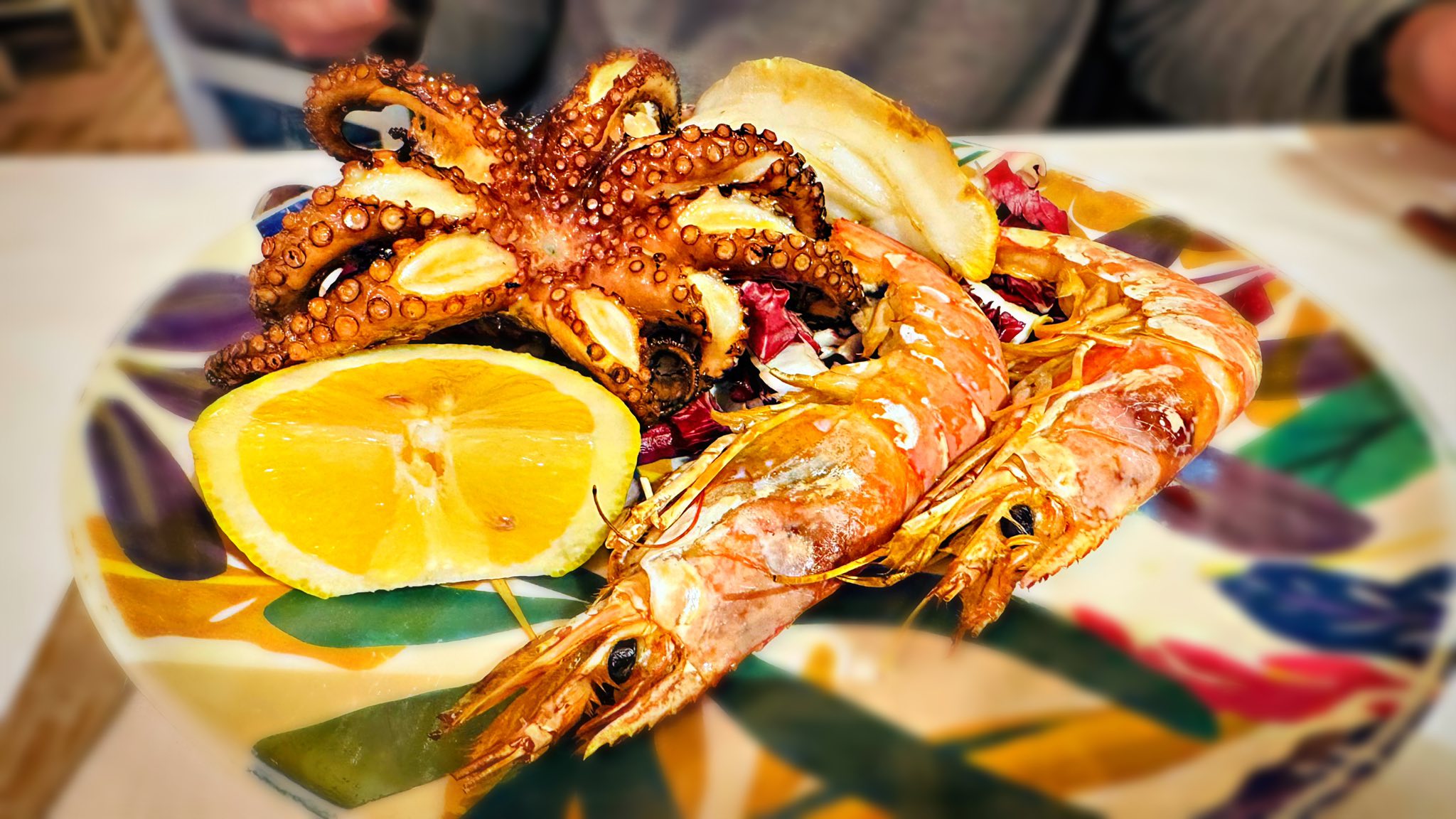
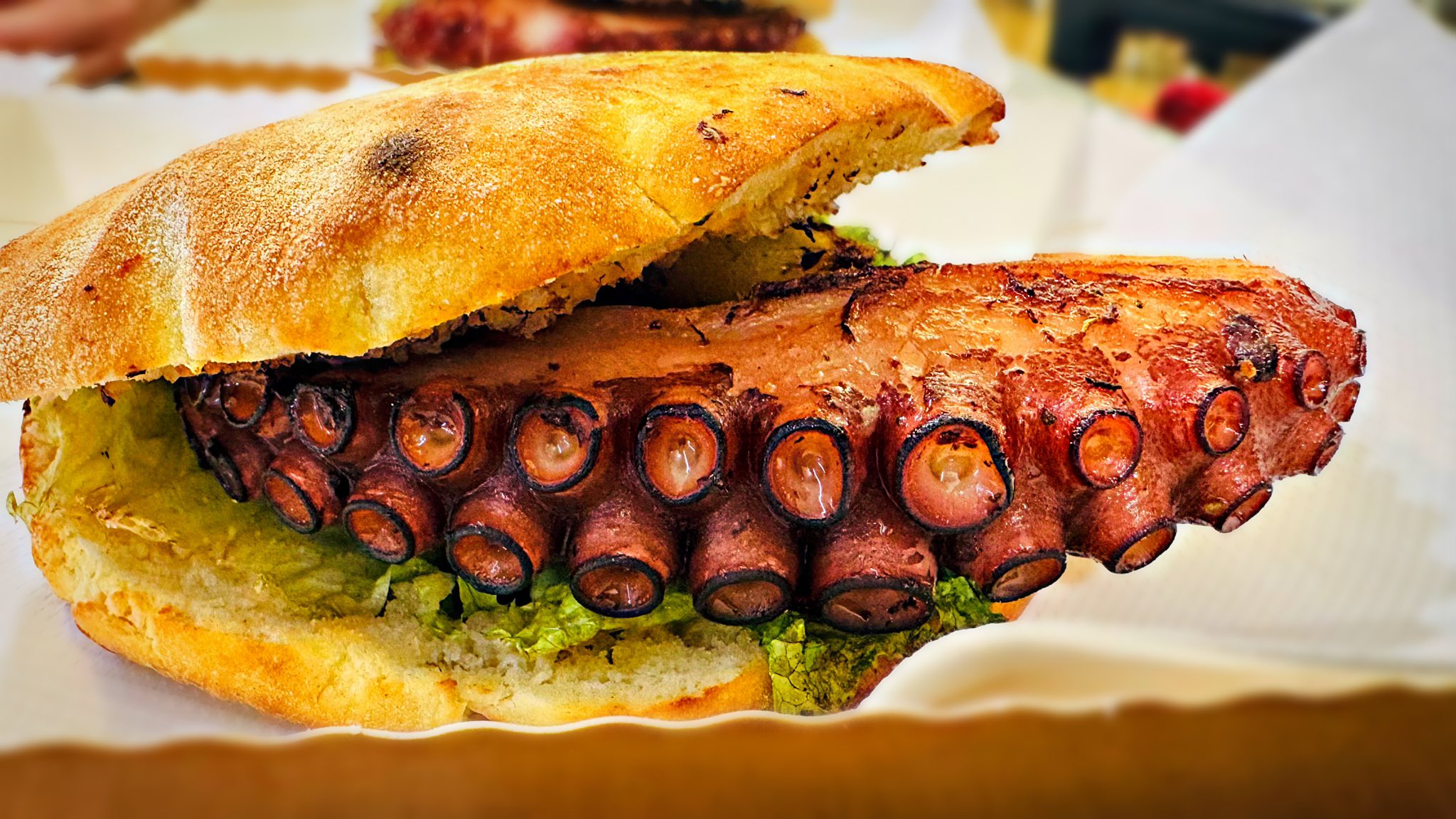
The first plate was grilled octopus. Simple, clean, not drowned in sauces or pointless ideas. Tender, tasting like the sea for real—not like rubber. The kind that makes you go quiet for a second and focus on what’s in front of you. Then came that traditional dish, Tiella Barese, with rice, potatoes, and mussels—seemingly plain, but dangerously good. Like they threw into the pot whatever they found around the house. 🤭 I discovered it last year, at Christmas, mostly out of curiosity. Back then I didn’t know if I liked it or not. This year I ate it twice, and somehow it was better each time. Now, the third time, it was clear: it’s the kind of food that doesn’t win you over at first bite, but once it gets you, it doesn’t let go.
The lobster pasta arrived with half a crustacean on the plate—no pressure, no tourist theater of “you have to order two portions.” That half was enough, and it was honest. The pasta was very good, and the sauce… the sauce was the star. Even though it was tomato-based, it had a darker color and a deep, intense flavor—clearly coming from everything that seeps out of the lobster while it’s cooking in the pan, when the pasta dances with the meat, the juices, and all that essence you don’t see but feel from the first bite. It wasn’t that bright red, display-window sauce. It was dense, cohesive, with personality. The kind that makes you scrape the plate clean without caring what you look like.
It was a meal without spectacle, but exactly what we needed. It didn’t try to be memorable—and that’s precisely why it was. It got us back on our feet, calmed us down, and told us, without big words, that we were in the right place. Our first night in Monopoli ended the way it should: with a happy stomach and the feeling that the next days were going to be good. 😊
People make the place. Not the other way around.
On the morning of the 31st, I headed out early for a simple reason: I wanted to catch the city as it normally is, not the end-of-year hysteria. The grocery I’d spotted was called Numeri Primi and it was going to open a bit later, so until then I went into Michelangelo – L’arte del gusto, a small, warm café with incredibly welcoming people for December 31st at 7:30 in the morning.
I had a coffee, chatted on the phone, did my thing—and yes, there was also a cigarette. It hit the spot. Exactly the kind of unhurried start to the day, no rush, no grand plans. When Numeri Primi opened, I naturally moved over there. And that’s where the real fun actually started.
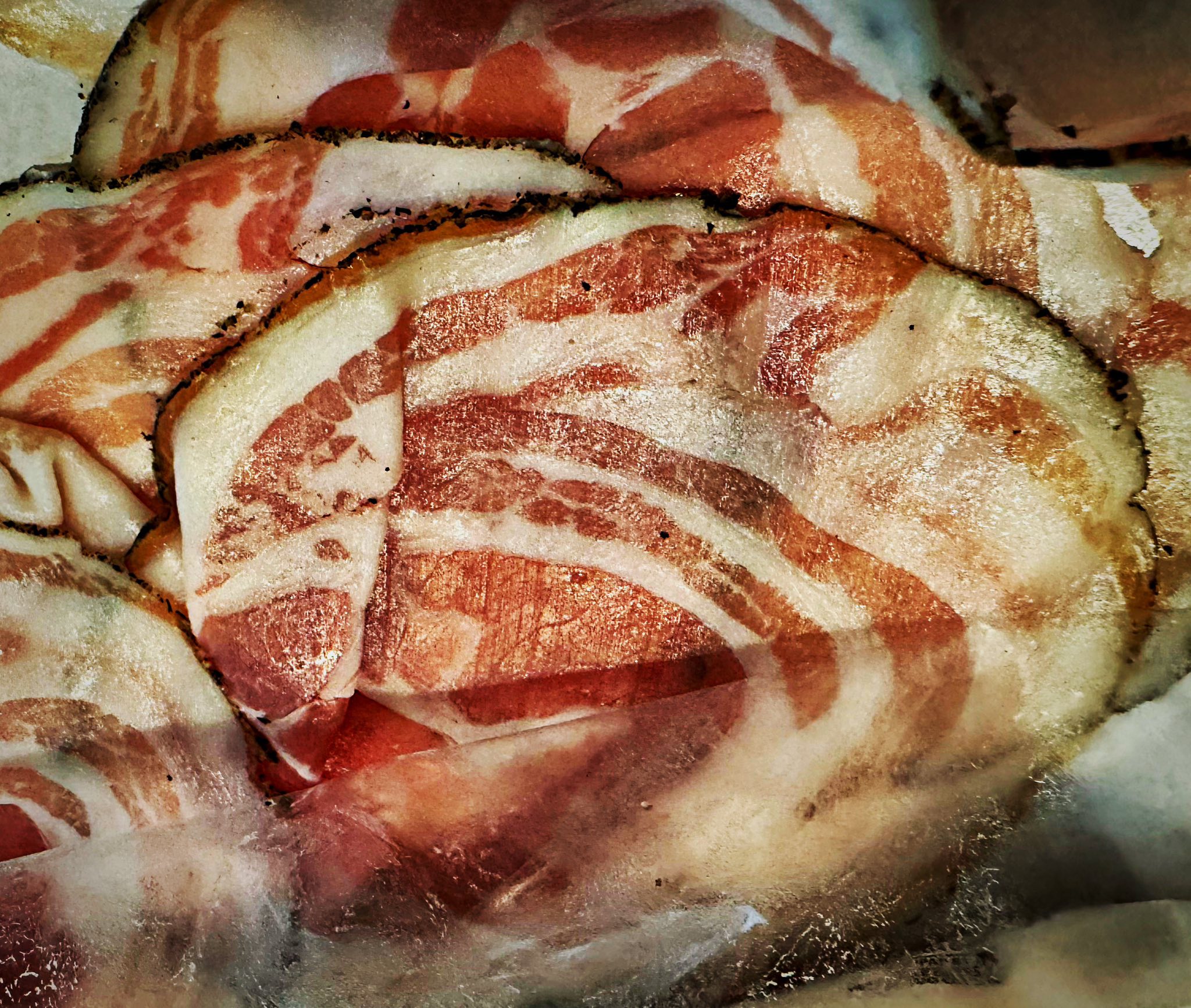
I think I was the first customer. From that second I knew it was my kind of shop. Small, neighborhood-style, but with full displays and clearly organized. Prosciutto in several varieties, sorted by aging, pancetta arrotolata, mortadella—all laid out so you can see what you’re buying. What I absolutely love is that you can take exactly as much as you want: 100–200 grams, a few slices, no weird looks. The women behind the counter wrapped everything impeccably—slice over slice, slightly overlapped, then a layer of film, and slices again. A ritual in itself.
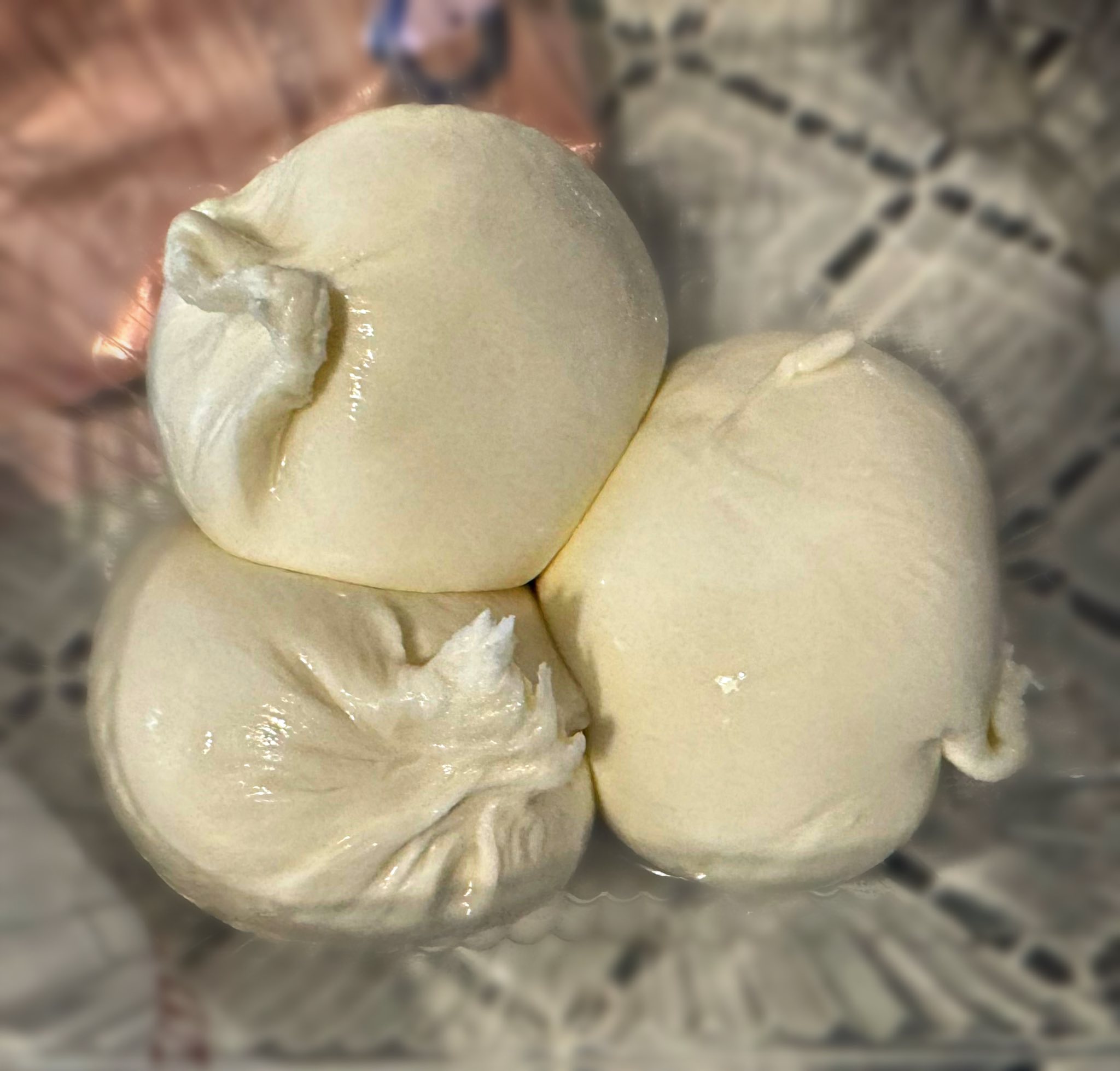
I kept adding: small burratine, unsmoked scamorza, sun-dried tomatoes in oil, pesto... at some point I didn’t even know what I was ordering and what was coming next. When they asked if I wanted bread, my well-traveled Romanian reflex made me assume it surely wasn’t fresh. Good thing they insisted and sent me to their colleague. He calmly explained that the bread had just arrived and that each type was packed separately, in paper bags. Of course, I left with about seven different kinds. 😂
At the register, the guy helped me pack. We exchanged a few words about food and about sandwiches made the Italian way—the kind you eat peacefully at home, not on the run. At the end he told me I had a small bonus, a voucher valid on January 3rd. Since I knew I wouldn’t be in Monopoli anymore, I told him to give it to someone else. Right behind me was an acquaintance of his. He offered it to him.
The man—around 55–60, Italian through and through—looked at me for an extra second. That kind of second when you realize something’s coming. He thanked me, wished me Happy New Year, and said, very naturally, that he had to give me a hug—to bring me luck in the new year. And he did. No rush, no awkwardness.
Then, as if it were the most normal thing in the world, he told me he’d been to Romania in 1972 with a friend. They hitchhiked all the way to us. And there I was, bags in hand, trying to look present, but in my head a film was already running: Romania in ’72, two young Italians on the side of the road, a story he carried with him for a lifetime.
It was a small moment, but the kind that catches you off guard. And makes you completely forget you’re a tourist. The Italy I like isn’t in checked-off sights or guidebooks. It’s exactly in these kinds of encounters. ☺️
When you move without rushing, the city starts to recognize you
With two bags already full and that good feeling—hard to put into words—I left the shop and headed back home. Nothing was hurrying me. Outside, there was sunshine, the gentle kind that doesn’t blind you, it calms you, and the wind was much tamer than the night before, when it had been genuinely annoying.
I walked slowly, with no clear goal, and had that strange feeling that I was in an old Italian movie—one where not much happens, but everything matters. The steps, the light, the people passing by. I wasn’t a tourist. I was just a person walking down a street in Monopoli.
On the way I passed a classic fruit-and-veg shop, the kind Italians have every couple of streets. I looked inside, told myself maybe I’d stop another time, and kept going. A few steps later I regretted not going in. It looked exactly right. And I was about to understand that in Monopoli, when you feel that impulse, it’s usually a good idea to turn back.
About 200 meters farther on, though, I found another one. This time there was no way I was walking past. It even had a little cart out front loaded with crates of everything—a good sign from the start. It was called Bistrot FruttAmore e Tradizione, and what immediately caught my eye were some perfect persimmons—nothing like what you find back home. Ripened just right, with aroma and real flavor.
I stopped. A lady asked what I wanted, but in the meantime another family member took over. He grabbed a basket, put in the persimmons, led me inside toward the register and, before I even got to pay, calmly told me I could add something else if I wanted. And of course I did. A huge pepper, some tomatoes, some great-looking radishes… mamma mia. It was like the market in Bari, only squeezed into a small room. I also saw a basil plant and wanted to buy it, but I was told it wasn’t possible, for some reason. No problem.
I went to the register for the total and to have everything packed. Meanwhile, a Fabrizio shows up with another plant, and the seller tells me, with a wide smile, that it’s for me. They also had some “farm” eggs there, set in a basket with hay and grass—too pretty to leave behind. I took those too. The stumbles in Italian and English, the laughter, the gestures, that whole family atmosphere made me feel like I was in an old Italian movie. And no, I’m not exaggerating. That’s truly how it felt. 😍
I left even more loaded, but somehow I carried everything without trouble. With four bags, I stopped at Caffè Roma to grab coffees for Carmen, because she can’t start the day without them. Great vibe there too: me with my bags, Italians sipping coffee in silence and noise at the same time. “Silence” is a stretch, because they talked more than I do during my runs. With takeaway coffees and full bags, I headed home through the white lanes of the old town—narrow, some as wide as a person, others wide enough for a very optimistic car. And I made it.
Breakfast like at grandma’s, but in southern Italy
Back home, with four bags and that good feeling that you’ve done something right, I put everything on the table. Breakfast wasn’t small and it wasn’t rushed. It was a vacation breakfast, with little “sandwiches” made slowly, exactly the way Italians do: good bread, plenty of prosciutto, pancetta, mortadella, burratine torn by hand and placed wherever they fit. I also boiled a couple of soft eggs, eaten with a spoon from a cup—exactly how I used to eat them at my grandma’s. Carmen is already used to my Italian “market run” style, so she wasn’t surprised. On the contrary, she was happy. And that, honestly, is one of the morning’s small victories.
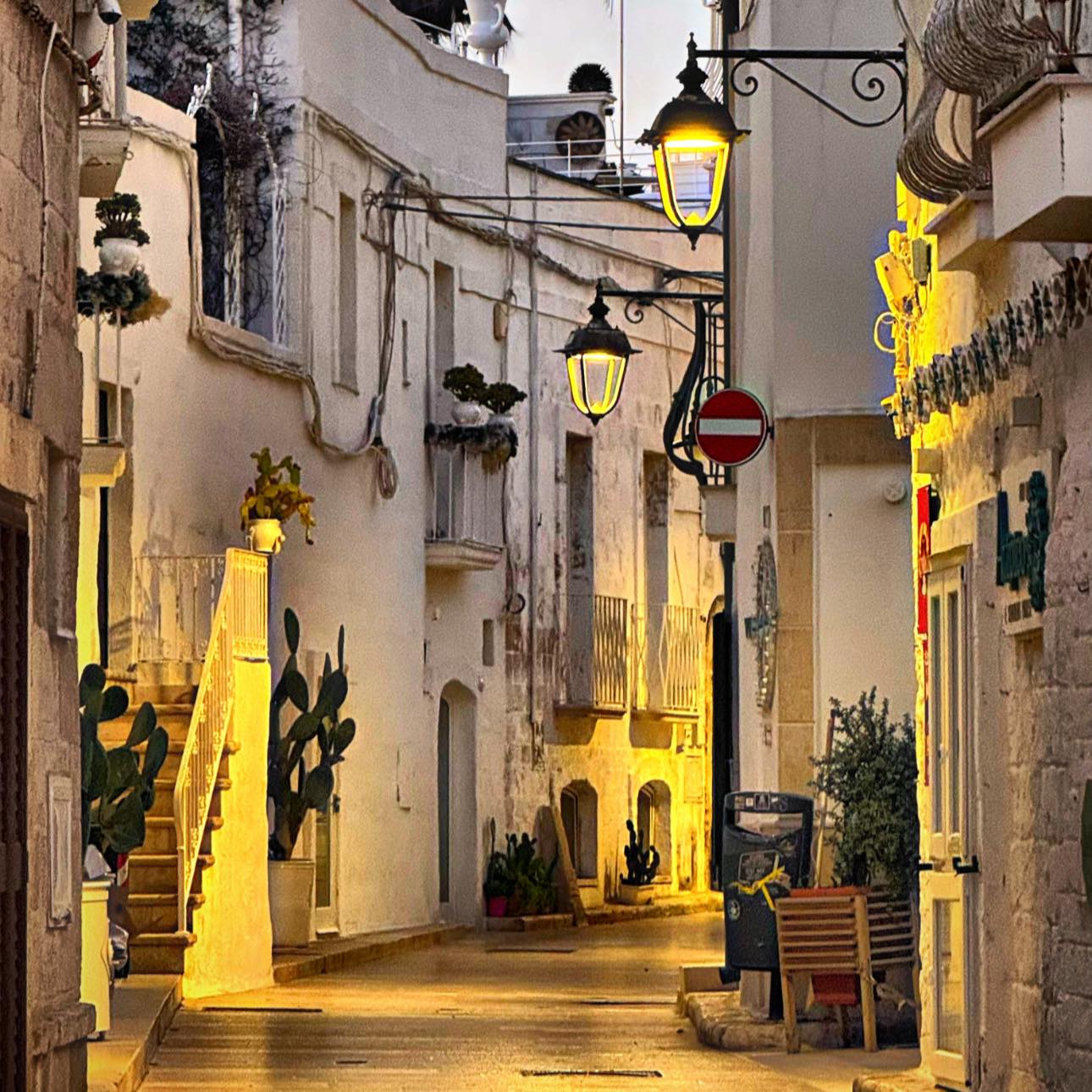
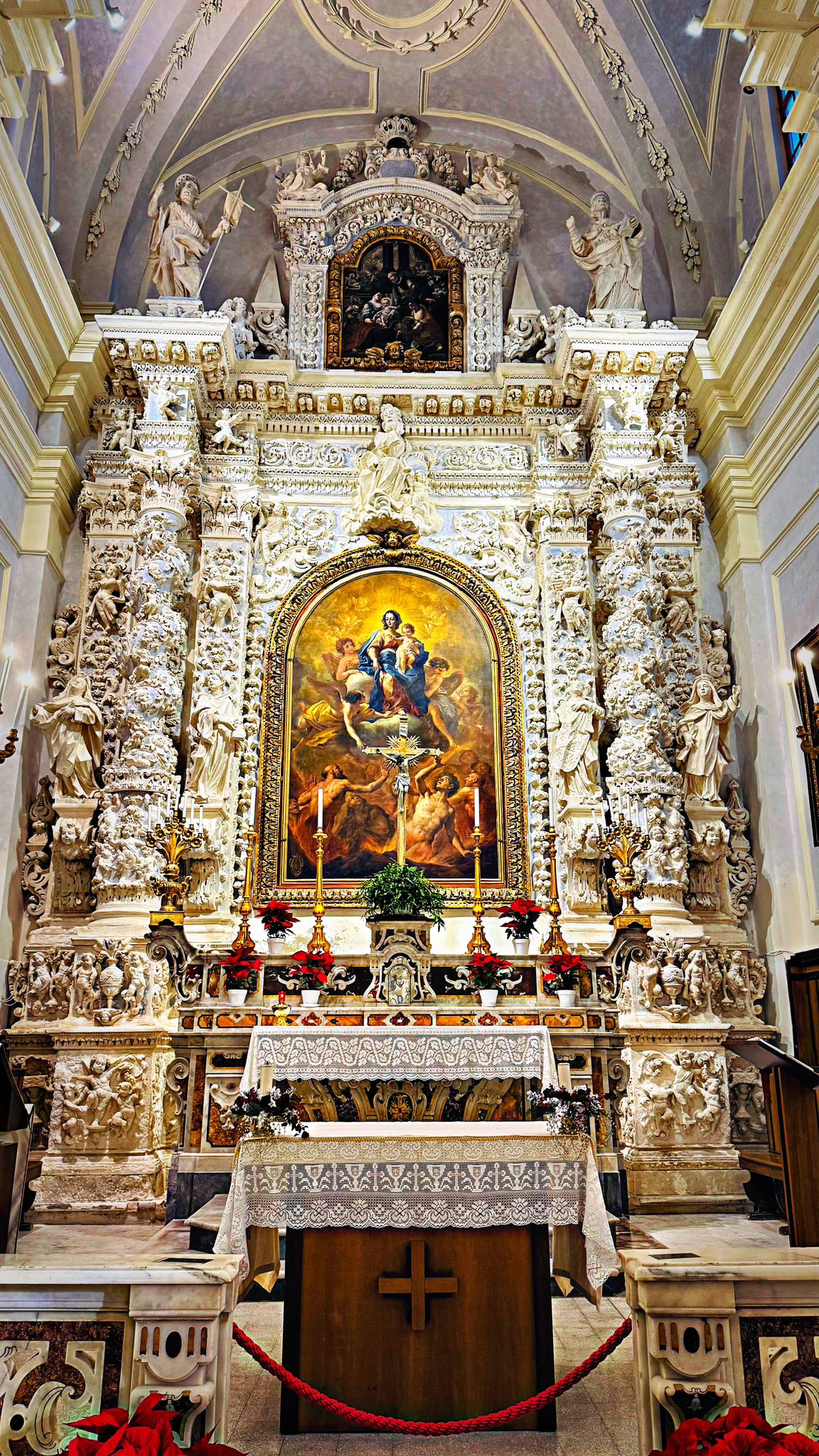
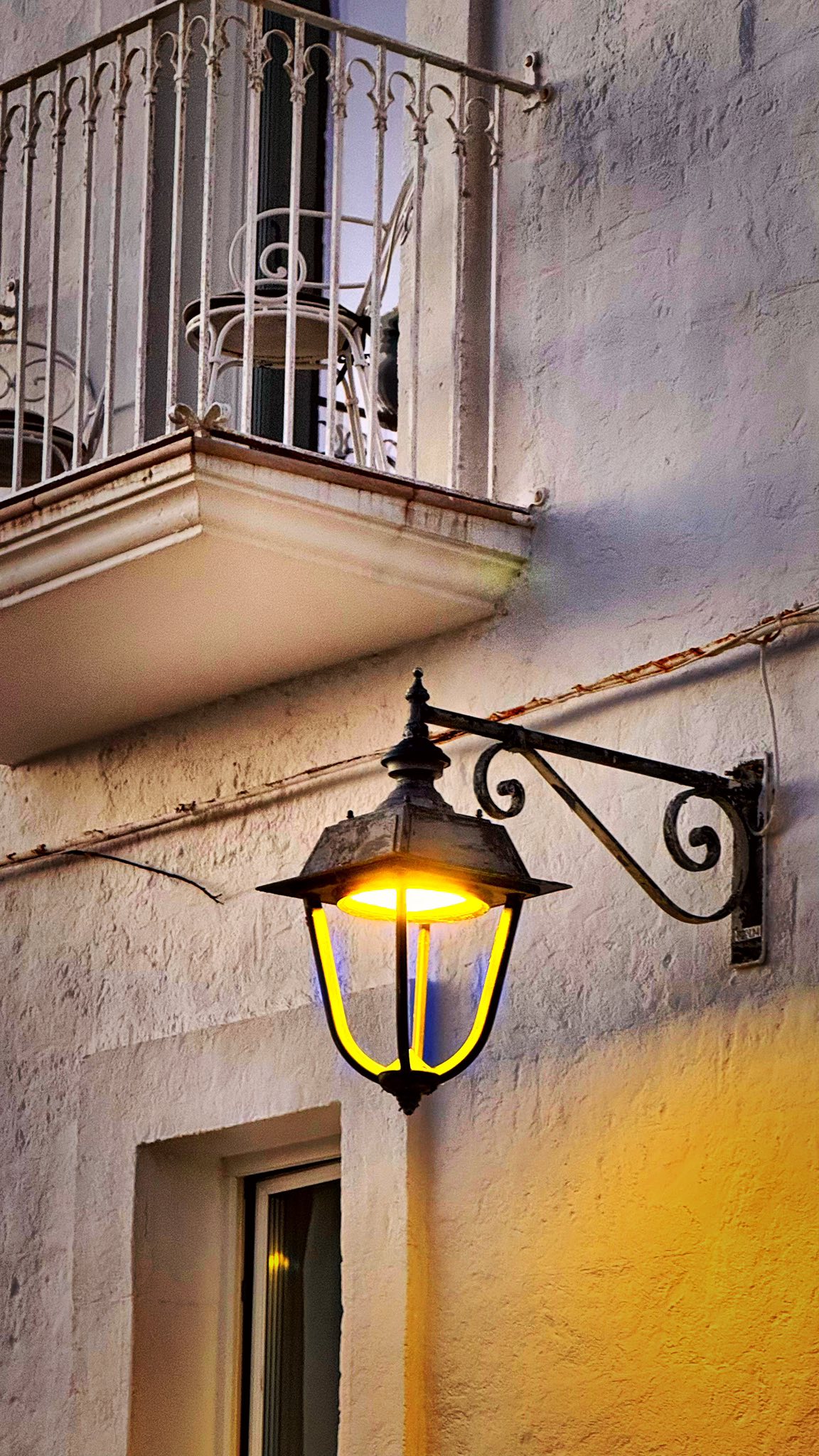
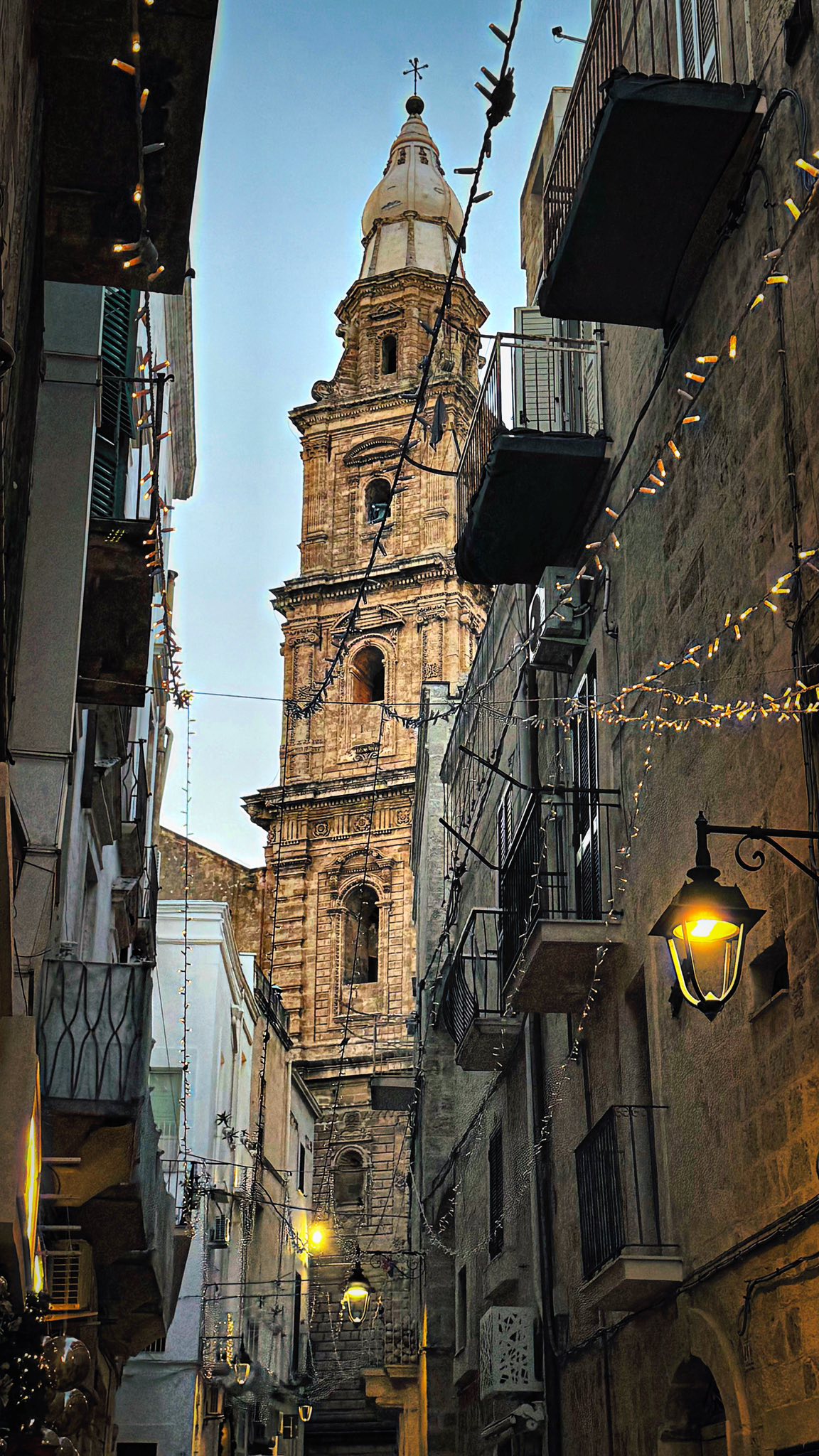
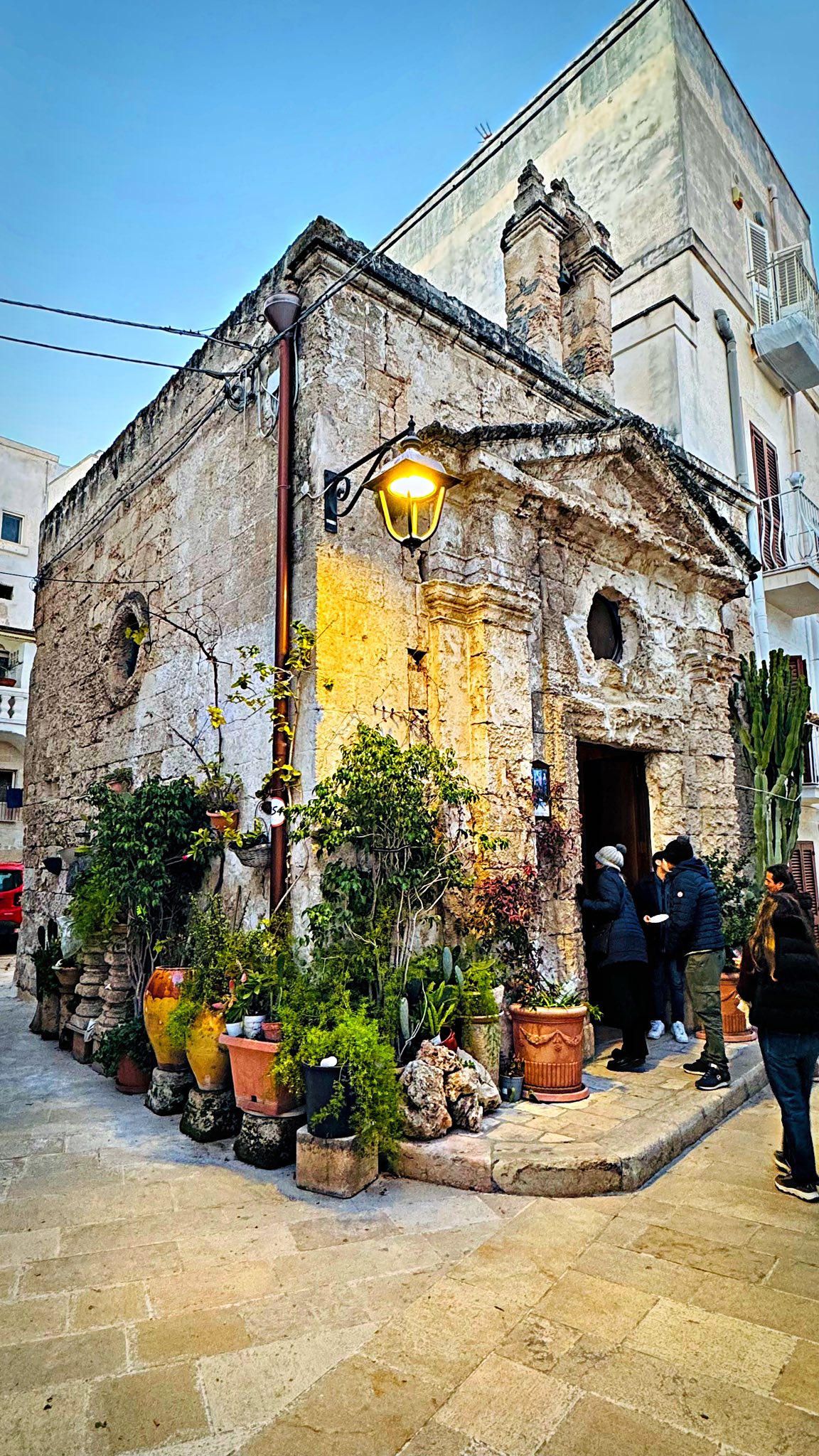
After the meal we went for a walk. No target, no route. That’s how Monopoli lets itself be discovered. The alleyways in the old town are white, narrow—some barely wide enough for one person, others just wide enough to make you wonder how a car ever fit through. The houses look glued together, with low doors, small balconies and laundry hanging out to dry, and at every corner you feel like you’ve been there before, even if it’s your first time. We passed old churches with simple façades, and the walls that remind you this town was once fortified. They’re the kind of details you only see if you walk slowly.
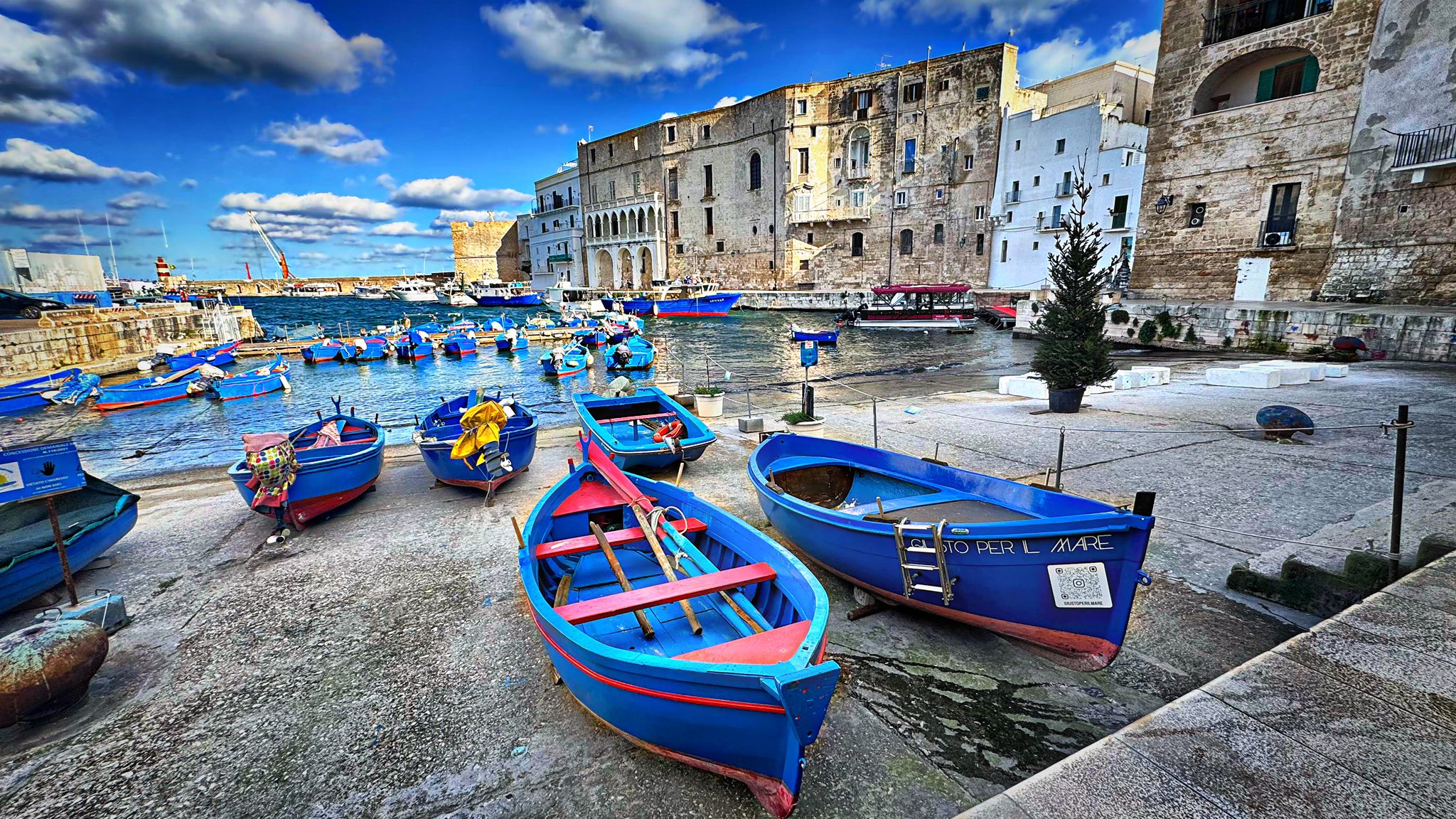
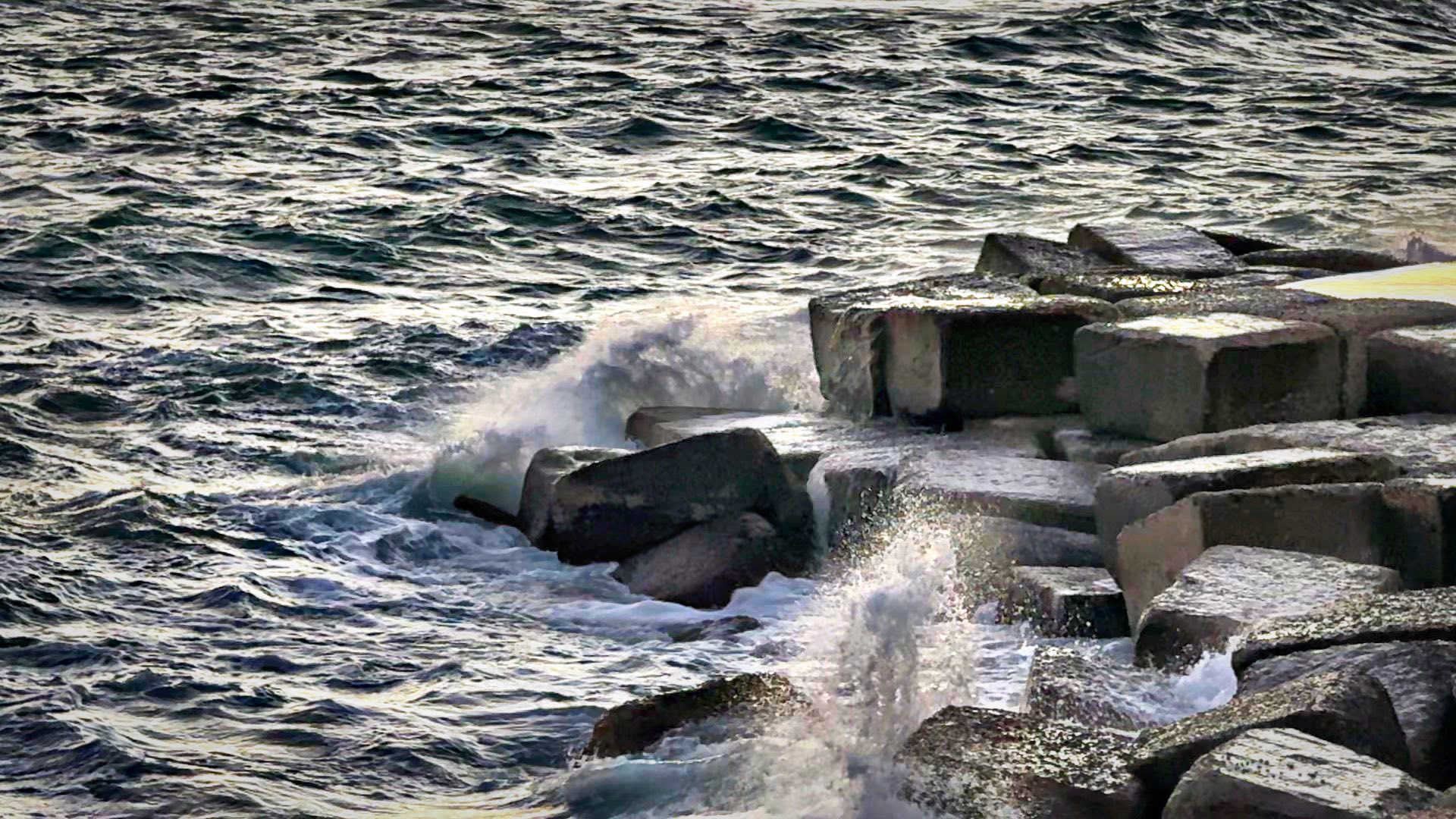
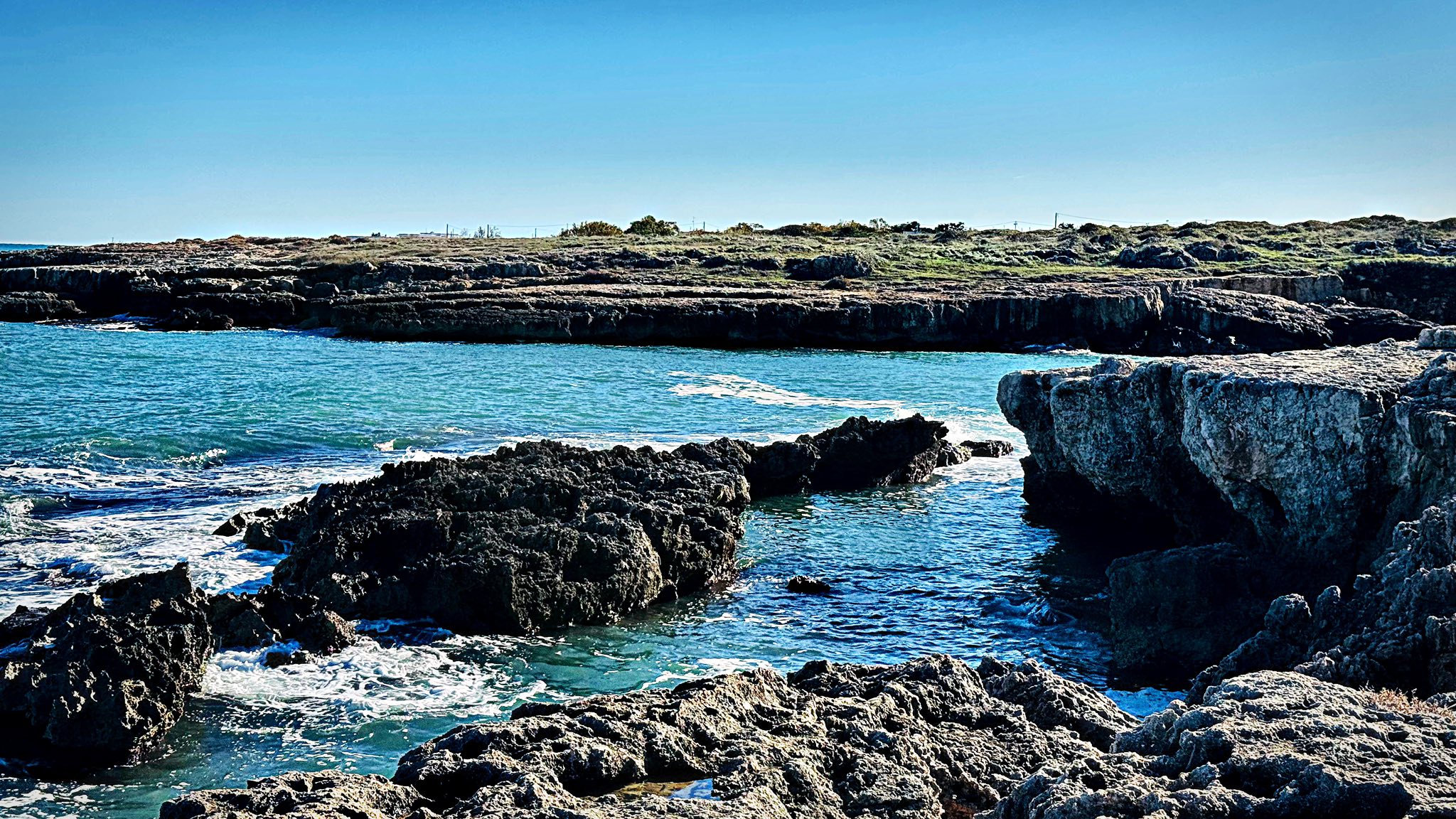
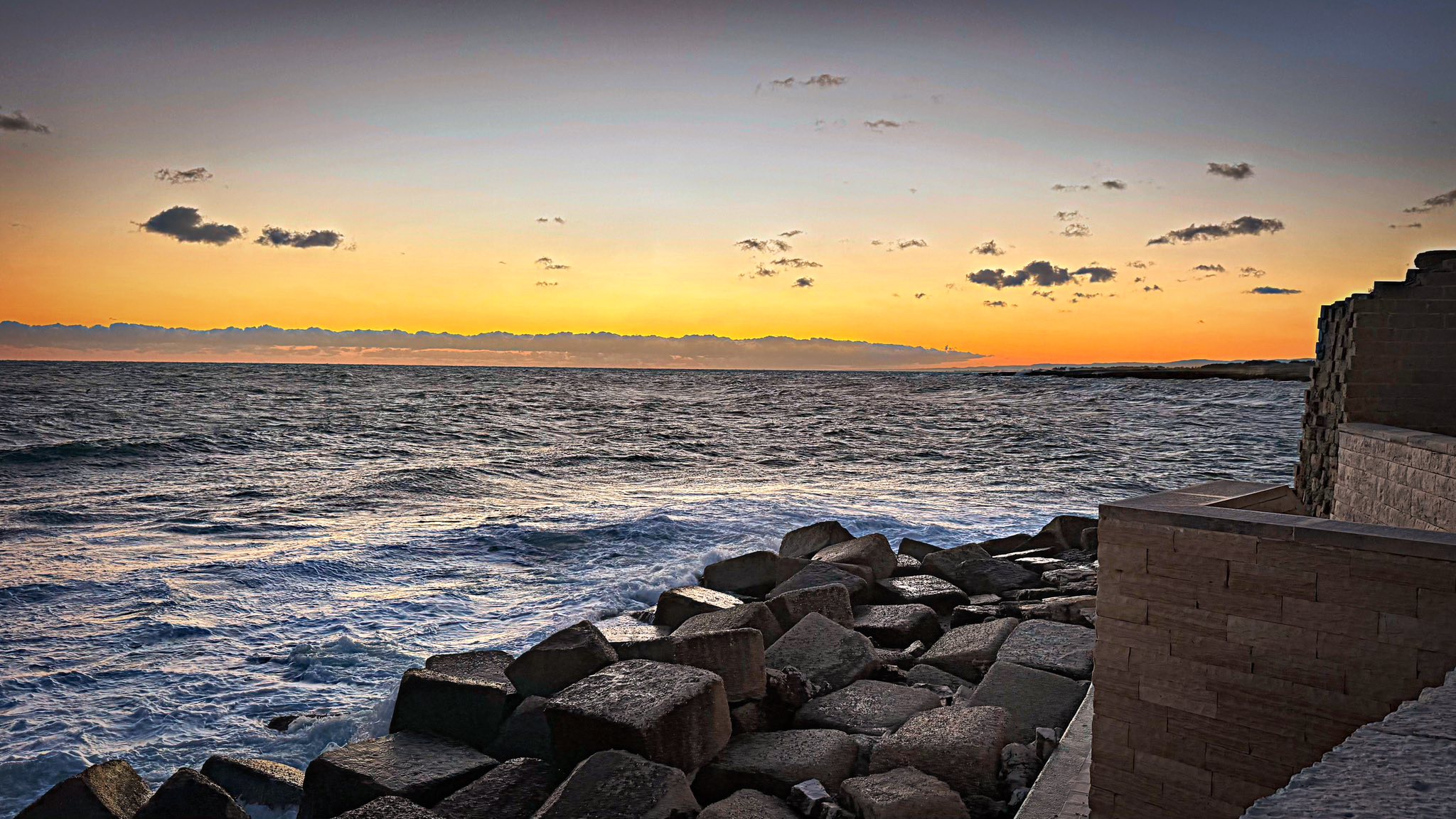
Naturally, the walk led us to the harbor. The kind of place where Monopoli doesn’t show off, but lets itself be seen. Boats gently rocking, calm water, fishermen minding their work—nothing staged. A harbor that lives, not a backdrop for photos. That’s where you start to feel the city not as a tourist, but as a person simply out for a walk.
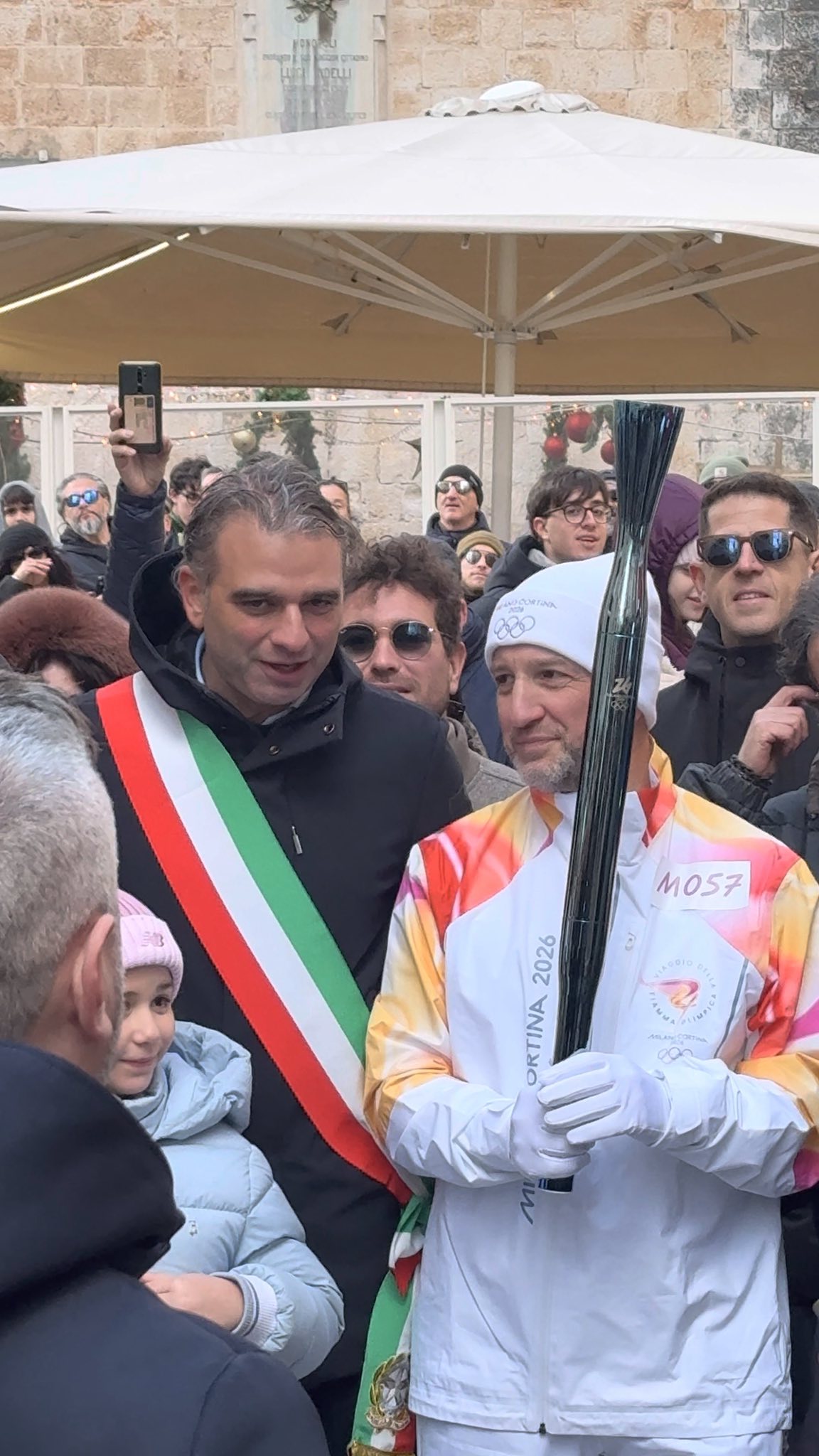
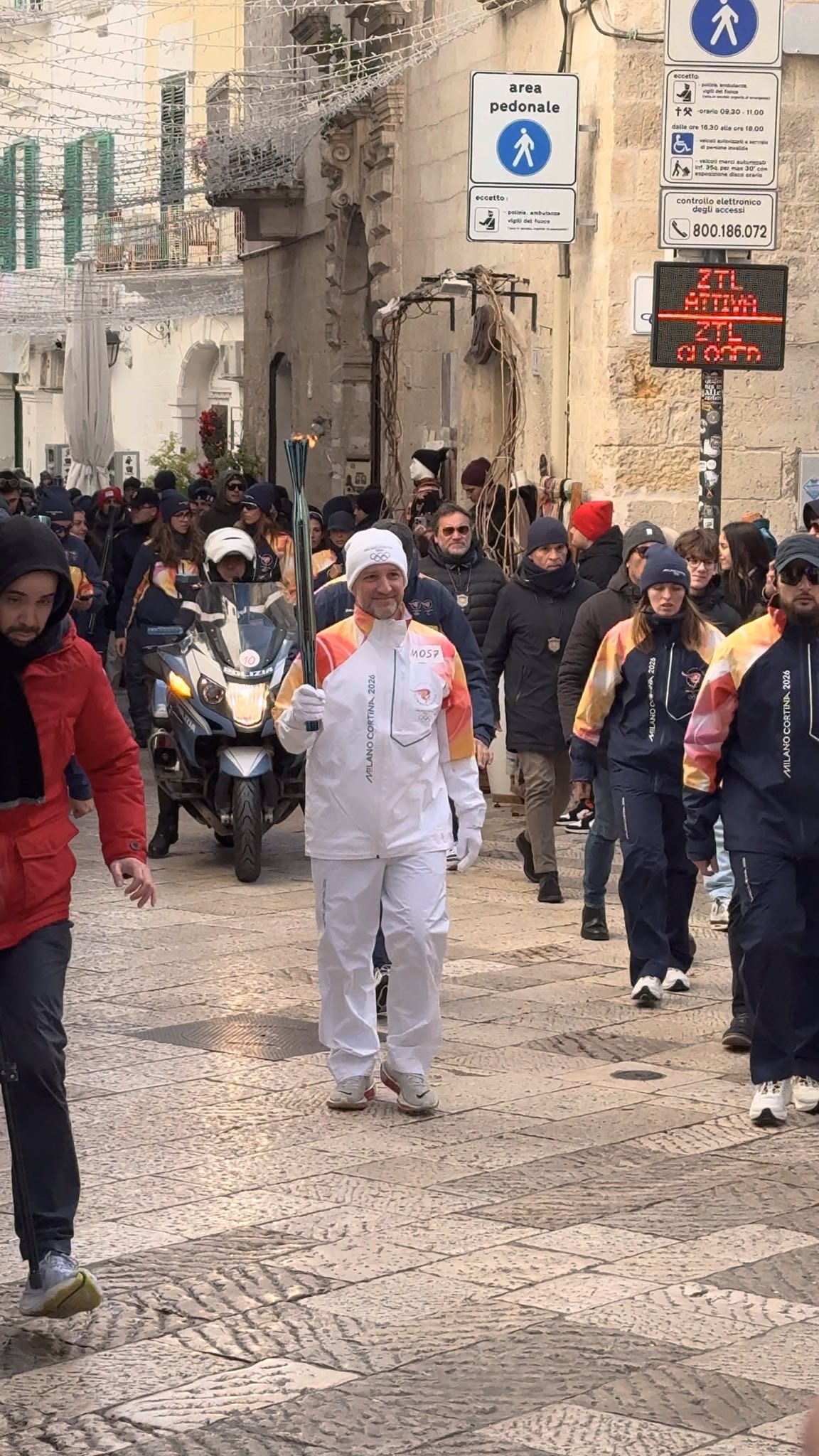
From the harbor we headed back toward the center, because on the 31st, before lunch, a small but special moment was coming. The Olympic flame for Milan Cortina 2026 was passing through Monopoli. It wasn’t a finish line, it wasn’t a big show. Just a simple pass-through, a transit moment, part of its route through Italy’s cities. And that was exactly the beautiful part. For those who don’t know, Milan Cortina 2026 is the name of the 2026 Winter Olympic Games hosted by Italy, and the Olympic flame travels from city to city like a kind of “herald,” a symbol announcing that the Olympics are getting close.
We gathered in the square alongside locals. Families, kids with little flags, people who knew each other and chatted like it was a normal day. The mayor showed up too, wearing the tricolor sash, and stood among the people—no fences, no pointless barriers. Nothing rigid, nothing forced.
The flame passed quickly. No fireworks, no dramatic music, no attempt to make it bigger than it was. The moment itself was short. But the waiting, the conversations, the children watching curiously, the feeling that everyone was there not “for the event” but because that’s just what you do… that was the essence. A symbolic gesture, lived normally. Exactly like Monopoli. 😍
The harbor, the alleyways, and a symbolic moment lived normally
After walking, cold air, harbor, alleyways, and that small Olympic flame moment, we got hungry. The serious kind. Not “let’s grab something,” but the hunger that demands a table, a chair, wine, and time. So we went to La Locanda dei Pescatori, the restaurant I’d wanted to reach for a long time and which, ironically, had never been the first option. The first two favorites were either closed or had no seats. So we said “oh well” and made a reservation here. Sometimes things need to happen exactly like that.
The walk to the restaurant was part of the meal. We went through the harbor by the boats, then through a narrow passage—the kind that makes you wonder whether it leads anywhere or just turns you around. Then more alleyways, even narrower, until suddenly the place appears. No flashy sign, no pretension. Exactly the kind of restaurant that doesn’t feel the need to convince you of anything. If you’ve made it this far, you’re already decided.
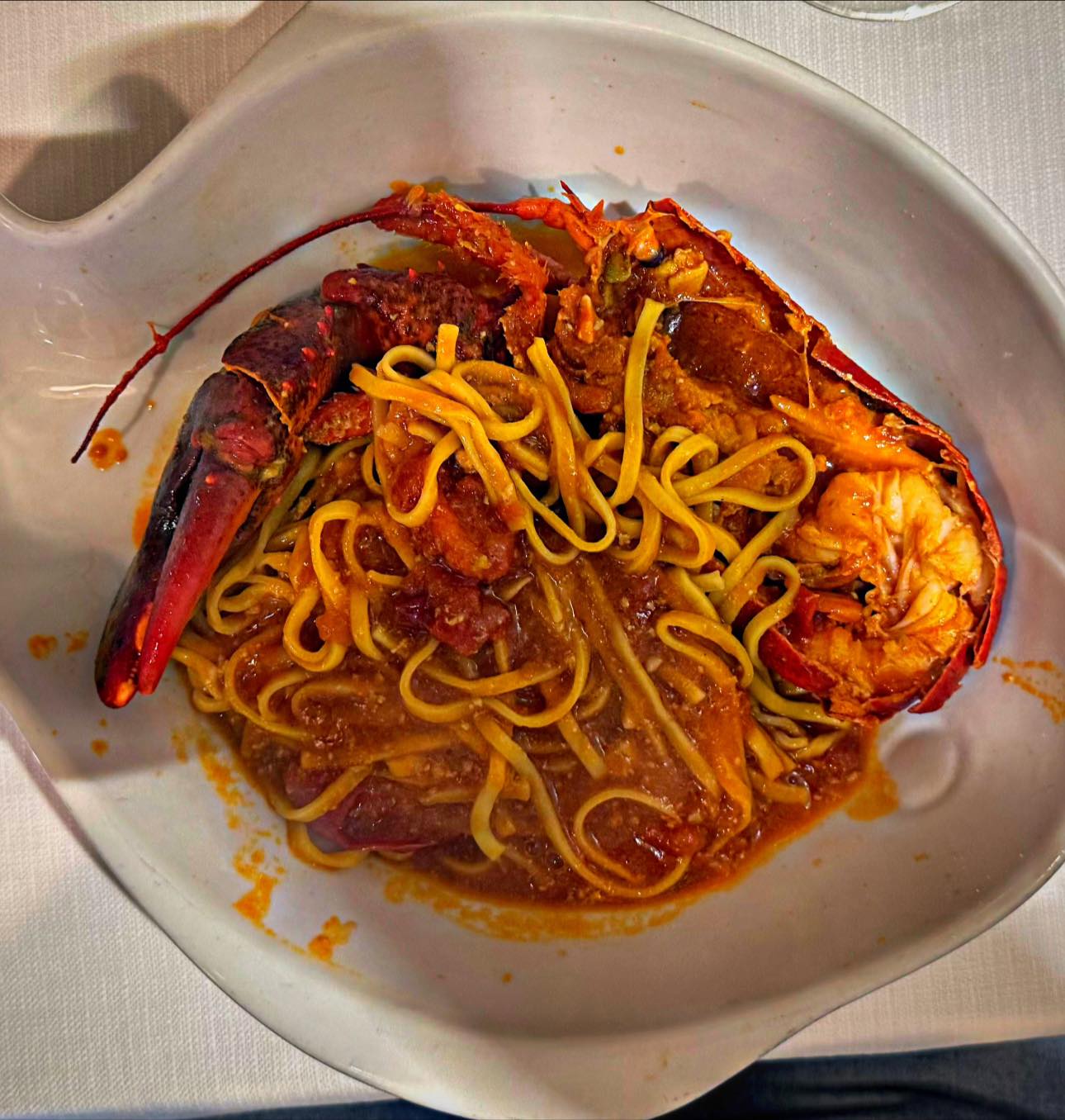
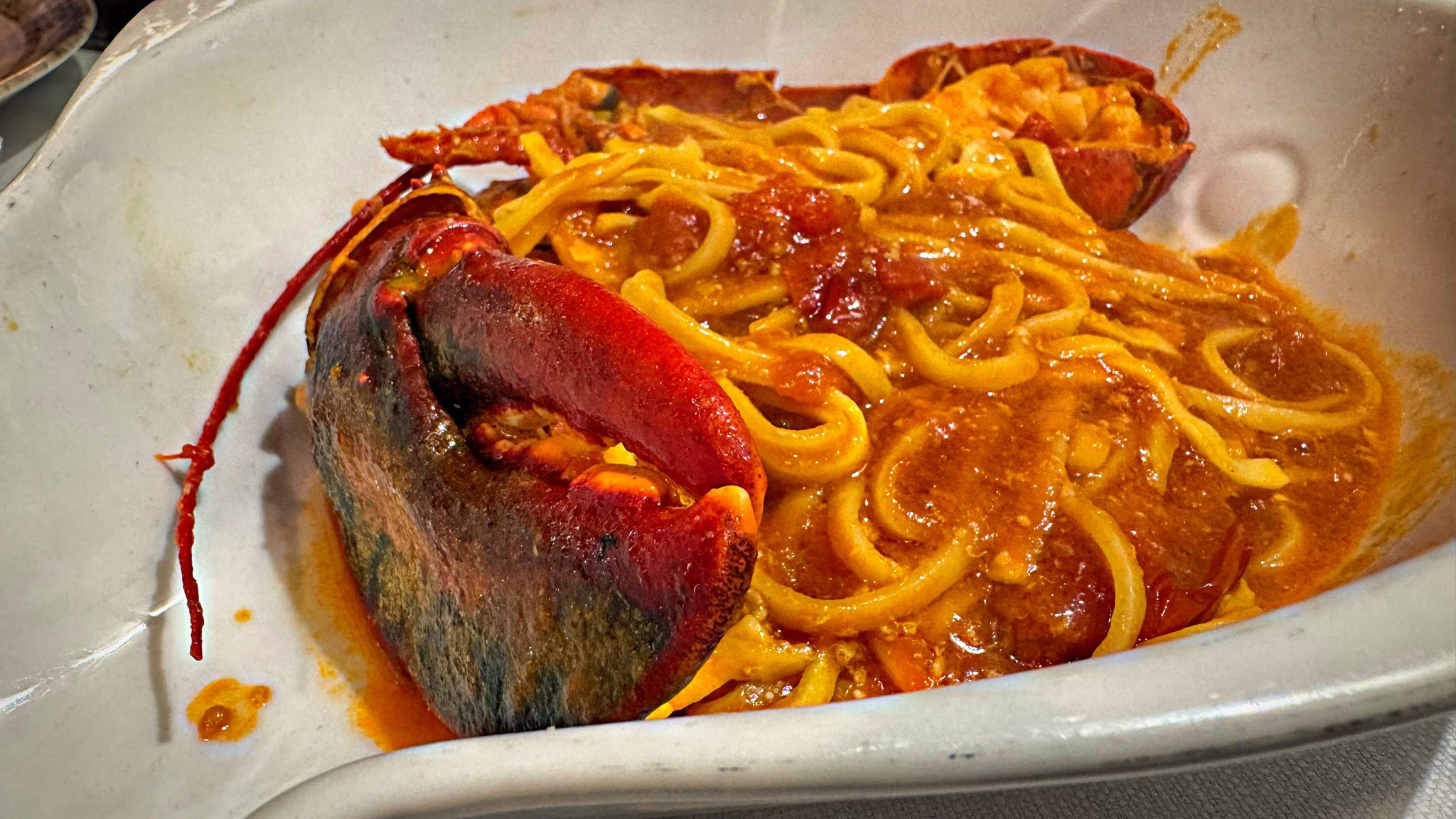
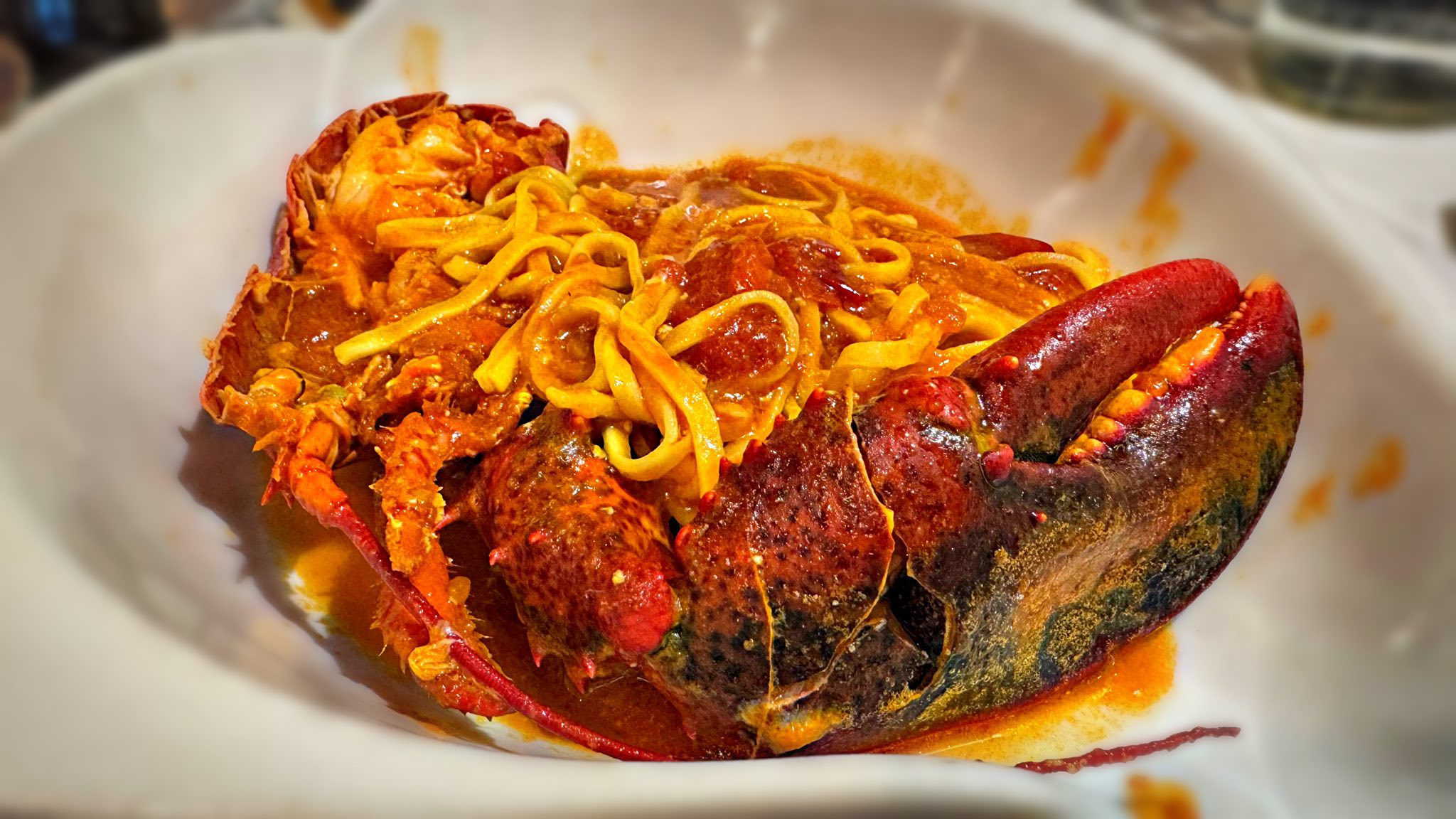
We sat down and glanced at the menu, but not for long. It was clear what we were ordering: Tagliolini all’astice e pomodorini. It’s ordered only for two people, which makes sense, because each plate comes with half a real lobster, not a decorative one. We also had a glass of wine and said “that’s enough to start,” knowing perfectly well it wouldn’t be just that. Secretly, I hoped they’d give us lobster tools, because as much as I like getting messy while eating, it’s still easier with the right instruments.
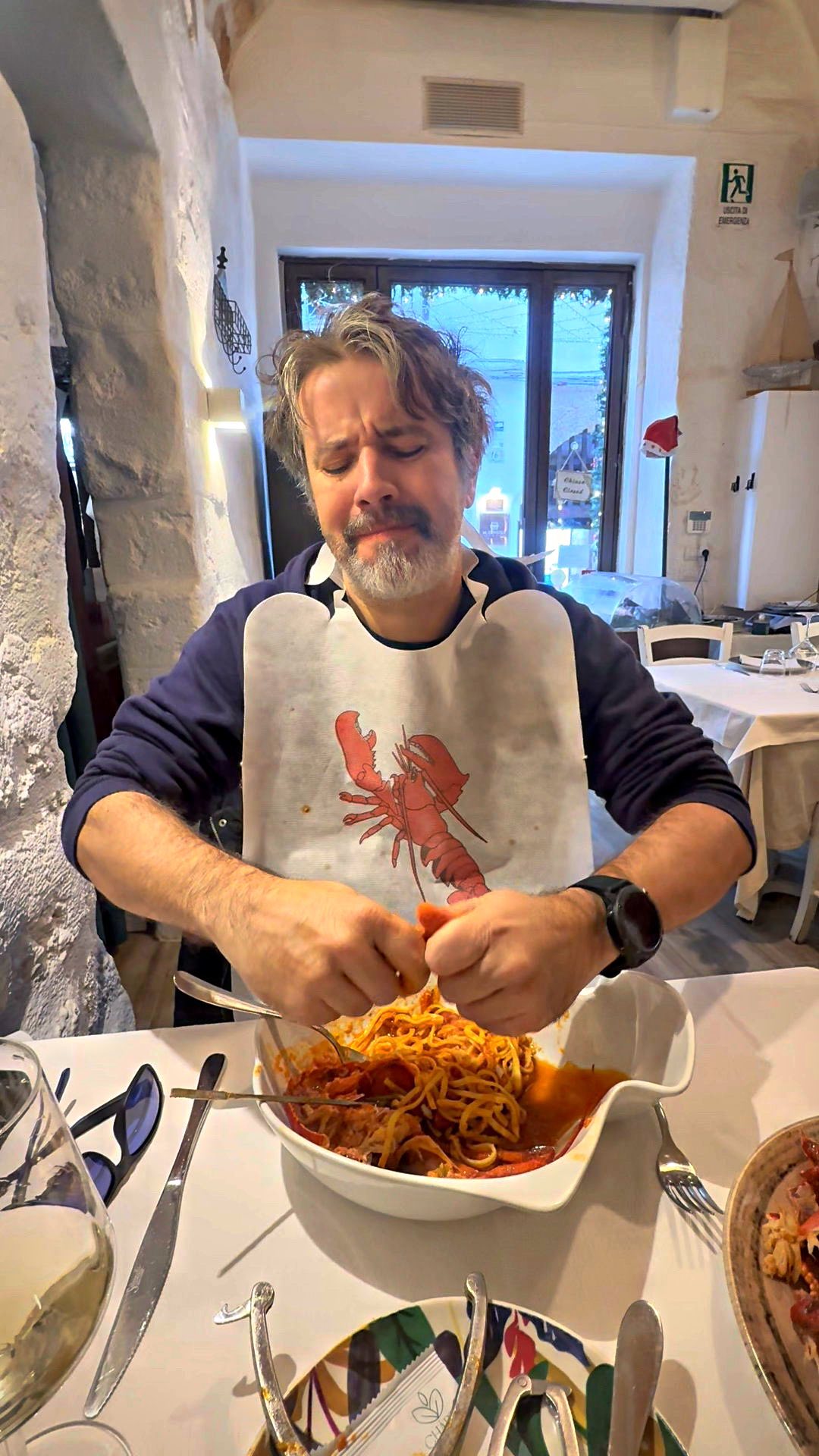
When one of the waitresses came over and put aprons on us—like those big kids’ bibs—I realized this wasn’t going to be an elegant meal. 😁 Then the tools appeared, and the plates. Big. Heavy. With a huge half-lobster on each. The claws were already cracked, so it wasn’t hard labor, but it was still enough to get seriously involved. Years ago, a woman in Spain taught me that when it comes to lobster there’s only one basic rule: you suck properly. Legs, corners, parts most people ignore. You can have claws, tools, whatever you want. In the end, sucking is the law. 🤣
Then came a full-on mess. Carmen isn’t a big fan of sticking her hands into food up to the elbows, so the honor fell to me—also for her portion. And I didn’t do it halfway. The lobster meat was sweet and juicy, and the sauce… the sauce was serious business. Cohesive, intense, tasting of sea, of shellfish, of tomatoes that don’t shout but complete. Fresh pasta, the kind that holds the sauce and doesn’t let it slip away for nothing. It was the kind of food that makes you slow down without meaning to.
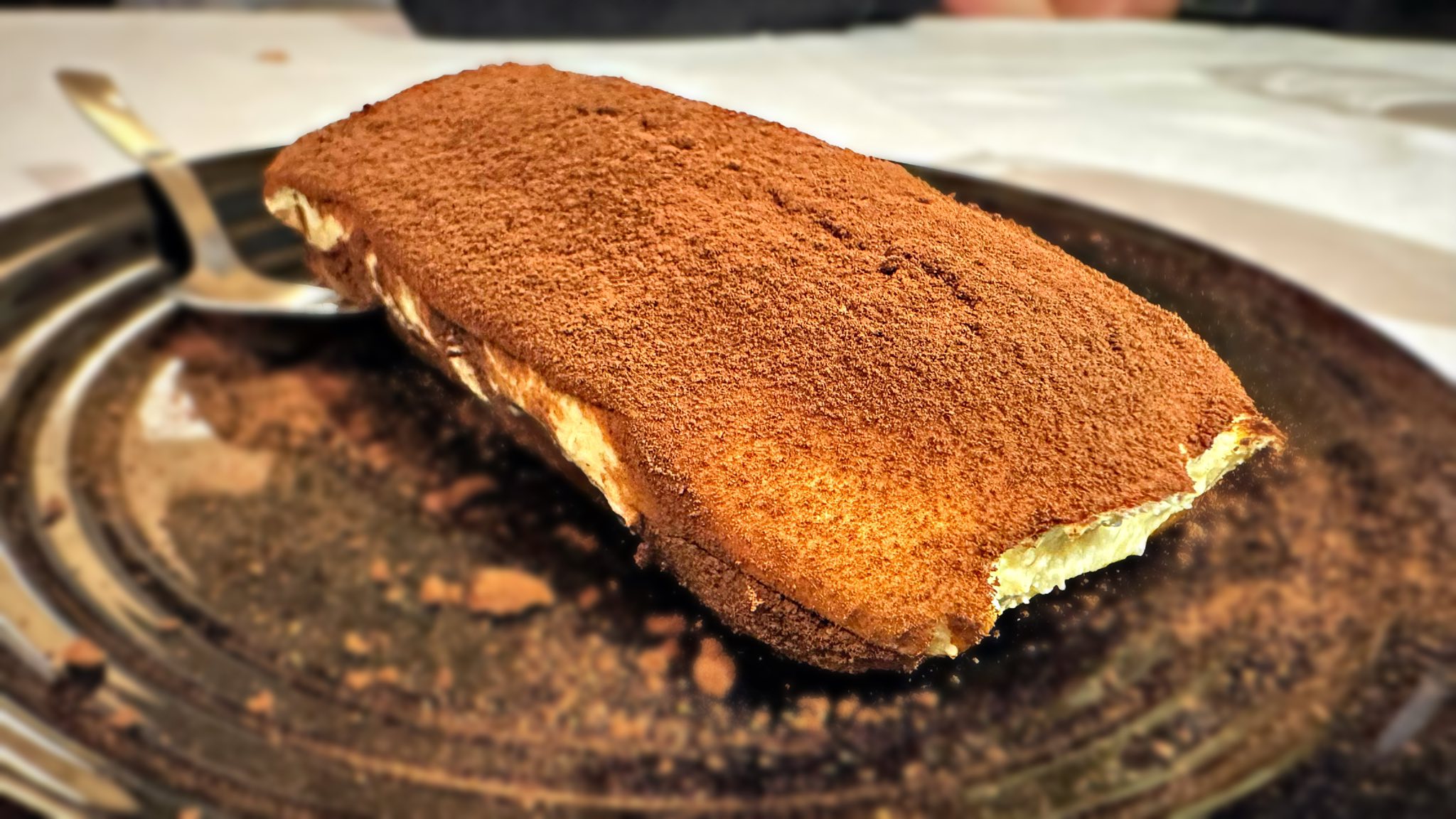
At the end, on the waiter’s recommendation, we had a homemade tiramisu, the honest kind, and a lemon sorbet—cold, exactly right, much better for digestion than any limoncello, which I refused without regrets. We had the coffees too—Carmen a cappuccino, me my beloved ristretto, the kind that somehow only in Italy is made exactly right. When we left, we wanted to book again for the next day, January 1st. The waiter smiled and told me there’s always a table for me. And, surprisingly, he was right. 🤗
Now, about tiramisù, I have a simple theory and I don’t negotiate it: there are three kinds. One: the correct tiramisù, made properly, with that real Italian taste that doesn’t need special effects. Two: the wrong tiramisù—reinvented, something else—which can be sad, can be too sweet, can be “something with cream” and that’s it. Just like carbonara: either you do it their way, or you call it pasta with ham and cheese and we’re done—no fights. And three… tiramisù from another galaxy: the one at Al Vicolo Pizza&Vino in Catania, with pistachio. That one isn’t just good. It’s indecent. It’s a reason to return to Sicily. I’m convinced those people invented it and the rest of the world is just pretending it understands what it’s about.
January 1st: a run, hunger, and round two
On January 1st the day started differently. Slower, more settled, but with one thing clear: running. I went out, breathed, enjoyed that almost empty city, the quiet after New Year’s Eve, the sea that seemed calmer than in the days before. That run put everything back in place. My head, my hunger, my cravings. And inevitably, it brought us back to the table. The same table. La Locanda dei Pescatori, the second time, without many explanations. When a place welcomes you well, you don’t change it.
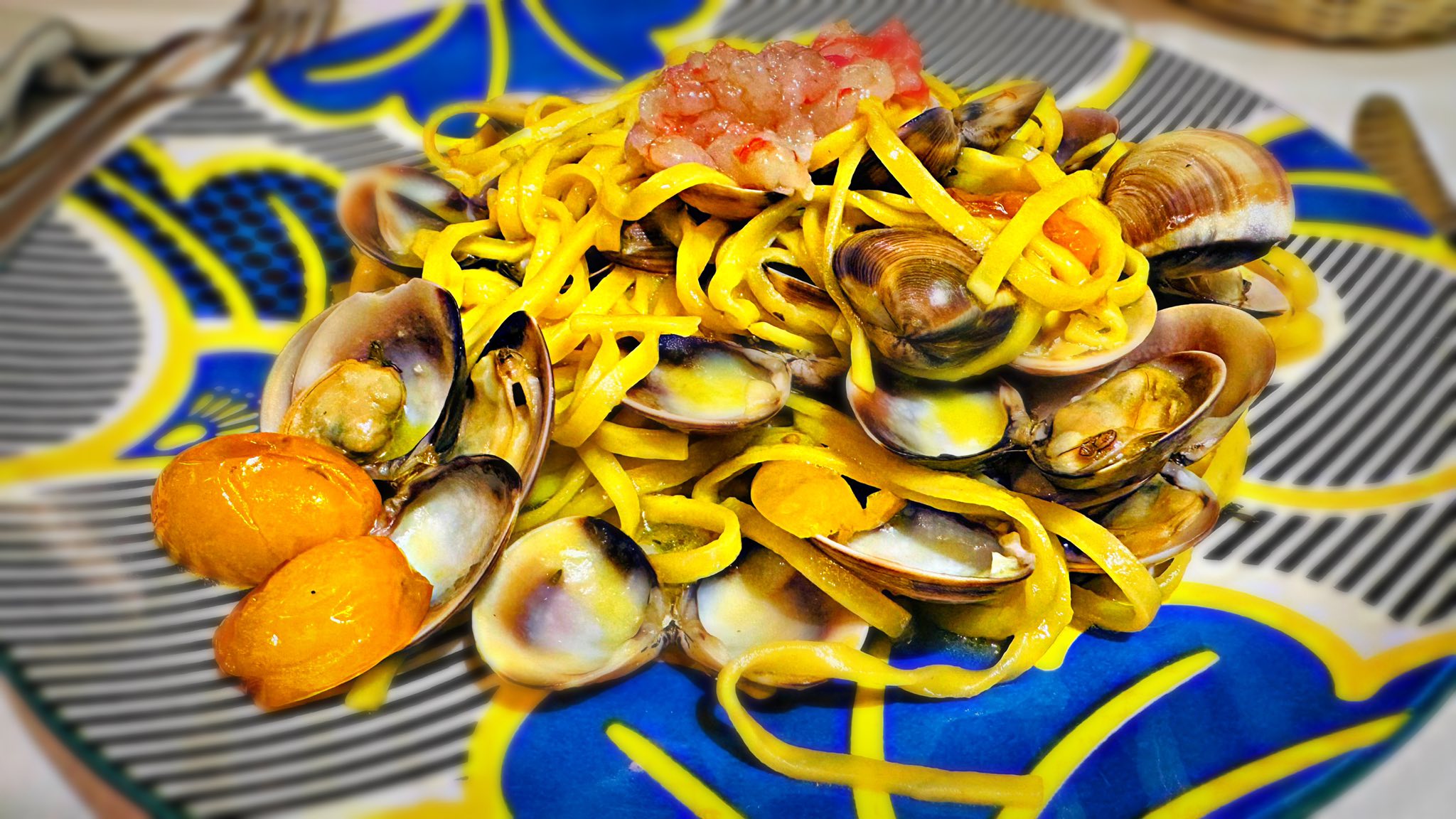
This time there was a line at the entrance. Big groups, occupied tables, a buzz. We quickly realized there was no point panicking. For two people, they found a spot. That’s how it is here. We started a bit more “well-behaved,” with Grigliata della Locanda for Carmen: octopus, shrimp, and calamari. A proper grill, good, but not the star of the day. I had Spaghetone vongole, with an intense, deep sauce—the kind that isn’t made to look pretty, but to taste good. It also had a shrimp tartare that took it into serious territory. Only… it wasn’t enough. After that run, the hunger was different.
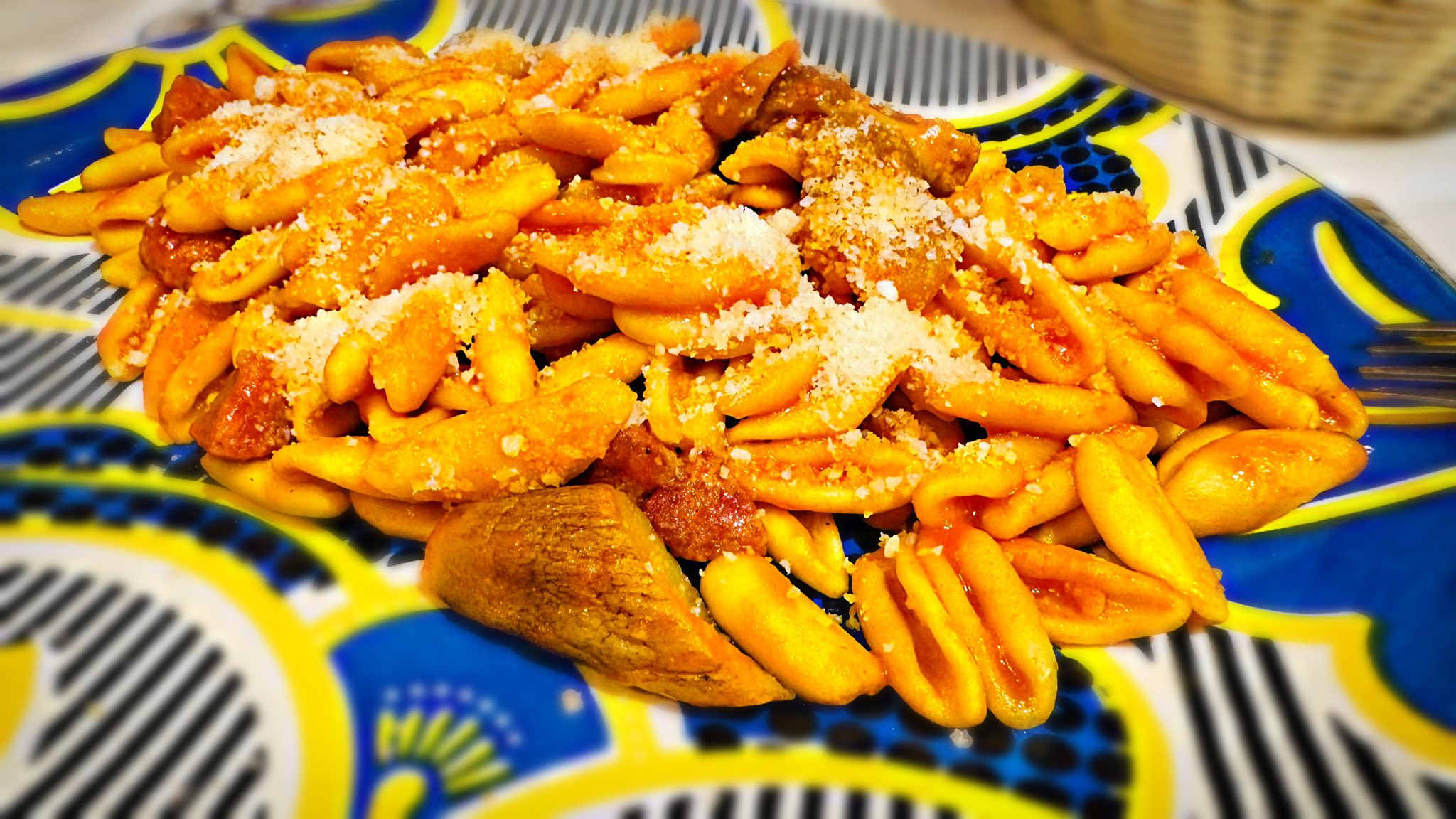
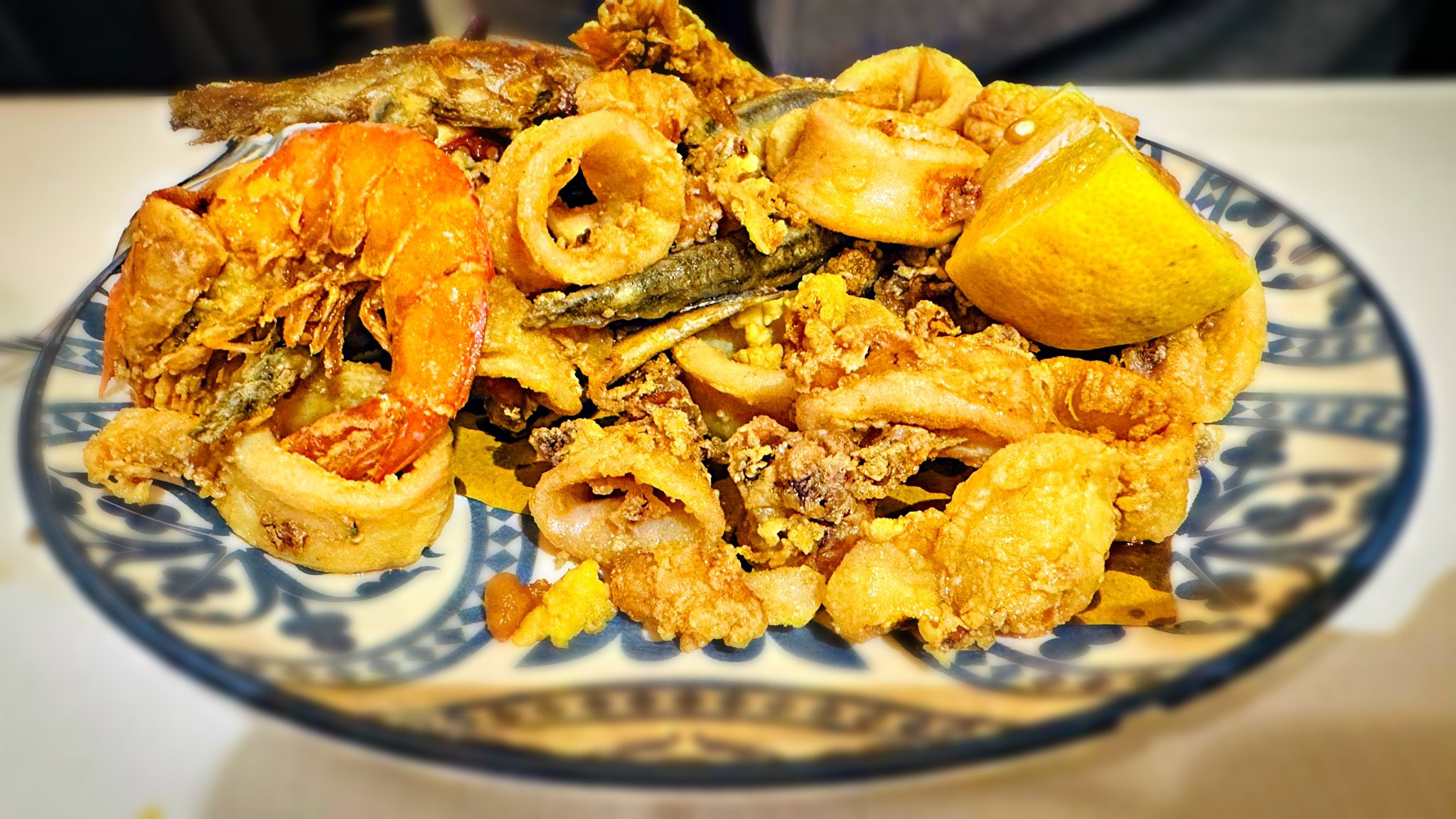
So we ordered more. The waiter looked surprised; I reassured him immediately: “we’re hungry, I went running.” 😂 Out came Frittura dei Pescatori, a mix of breaded fried seafood, done exactly right—no heavy oil, no brick in your stomach. Then Cavatelli with funghi, pomodorini, and salsiccia. Those short, thick pastas made to hold sauce, with those serious Italian sausages—spiced, with real flavor. And because I’d never tried them before, we also got gamberoni al sale. Large prawns cooked in a salt crust—simple, direct, clean, intense, lightly salty, exactly right. Nothing to hide there. Just good product, that’s it. 🤪 The finale was already tradition. Tiramisu. Lemon sorbet. The obligatory coffees. There was nothing left to prove. We left literally rolling, but happy.
Desserts born from mistakes and craving
Later, on an afternoon stroll—one of those with no plan and no hurry—we ended up back at Michelangelo – L’arte del gusto. That small place that doesn’t impose itself, but calls you back exactly when it should. Two coffees, because that’s what you drink there, and because we were already in that good “let’s try more” mood, we decided to indulge.
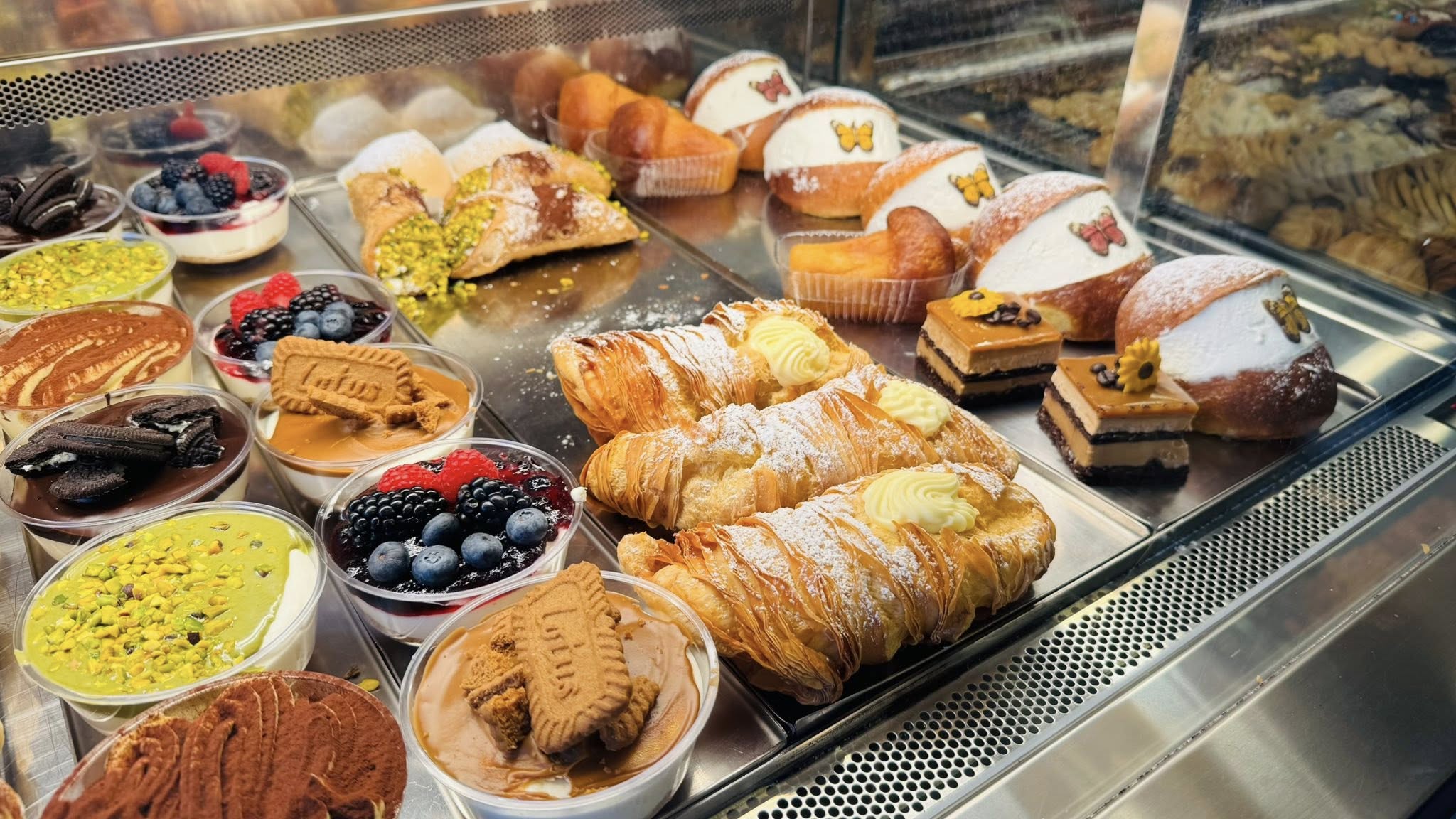
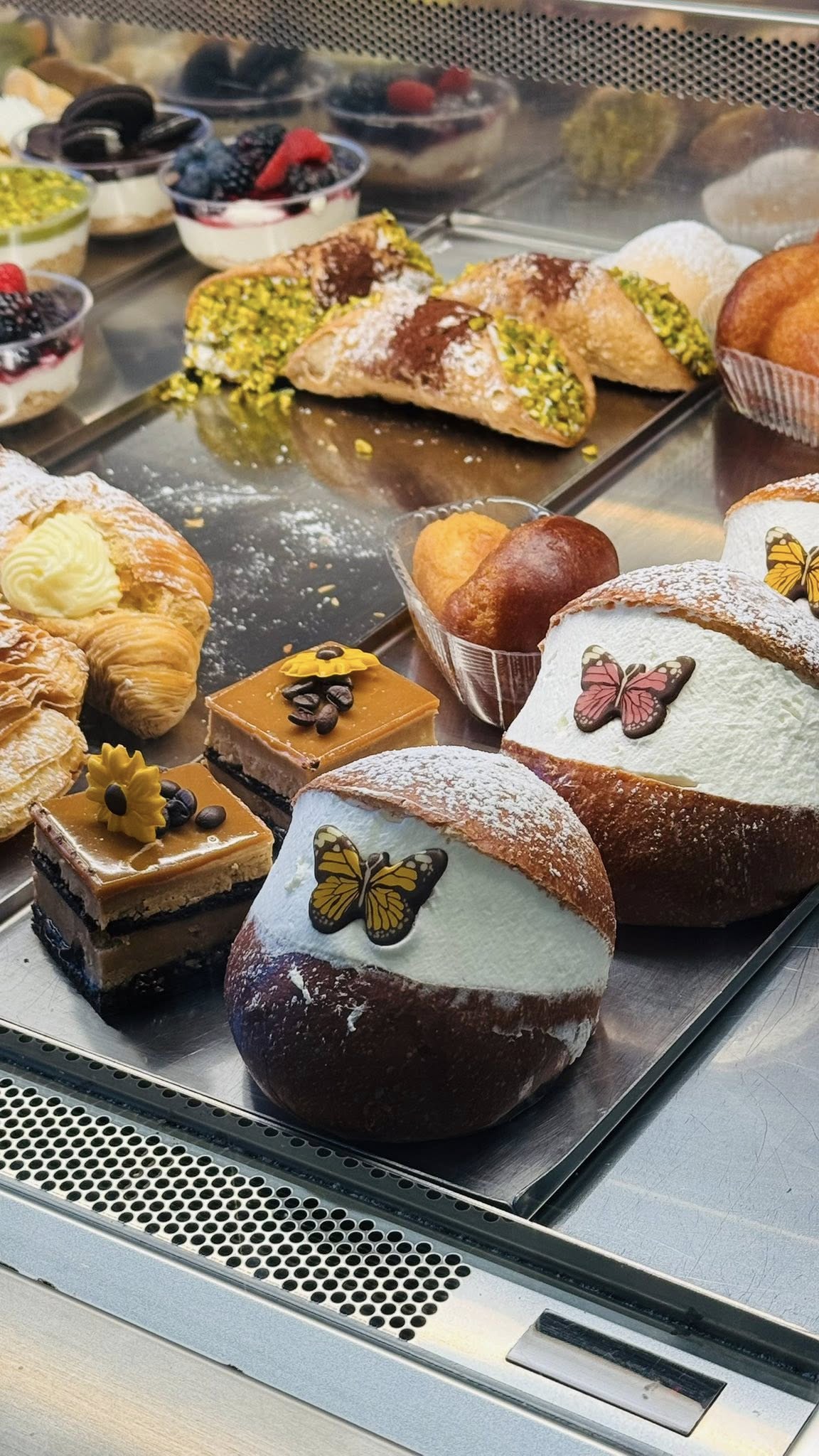
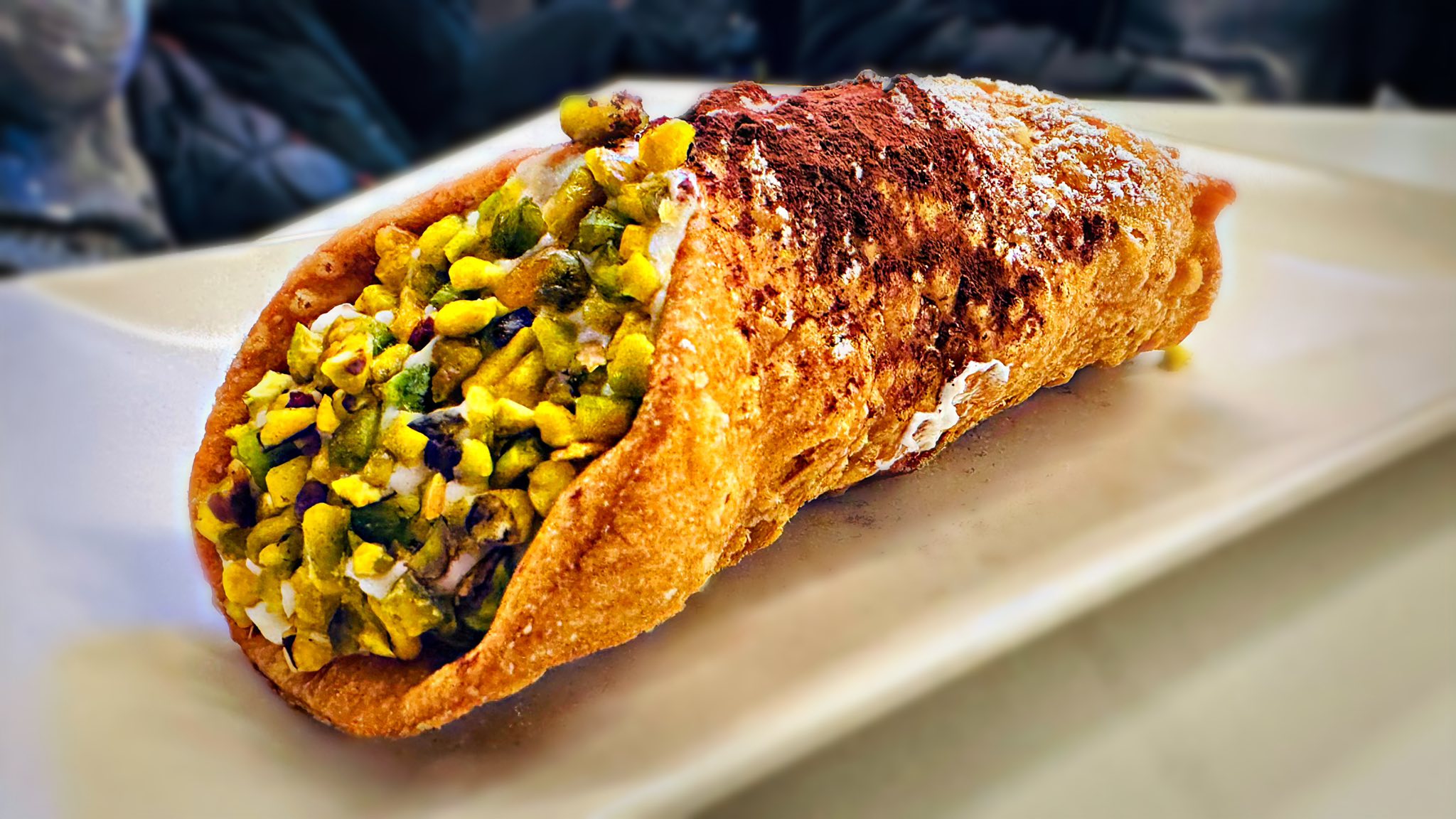
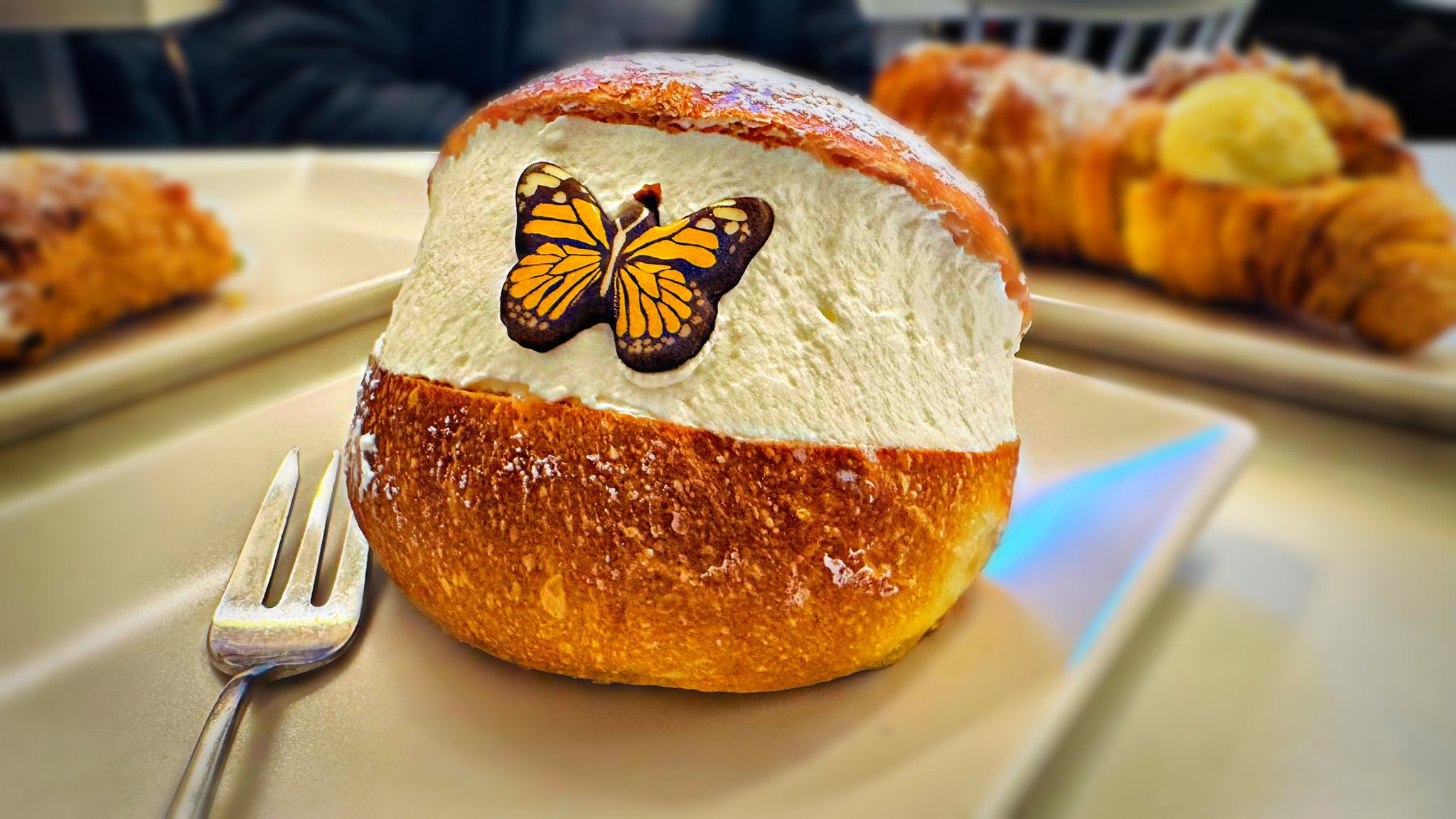
That’s how a Code d’aragosta, a Sicilian cannolo, and a maritozzo landed on the table. Maritozzo is the kind of pastry that fools you. On the first spoonful, nothing explodes. You even think “meh.” But you take another bite. And another. And you start to feel the aroma in the dough—fluffy, lightly sweet, almost like cozonac—then the generous whipped cream, and finally the vanilla custard that ties everything together. It’s not the dessert that hits you. It’s the dessert that convinces you slowly, until, without realizing it, you’ve finished everything and you’re looking for the last crumb. The kind of small moment, seemingly banal, that says a lot about this everyday Italy: it doesn’t impress you at first, but if you have patience, it catches you for good.
Maritozzo has an old story connected to love. In Rome, back in the day, men used to offer it to the women they were courting, especially during Lent, when sweets were few. Sometimes, inside it, there was even a ring. Hence the idea of a “love” dessert: simple on the outside, generous within—one that doesn’t promise much at first, but wins you over if you give it time.
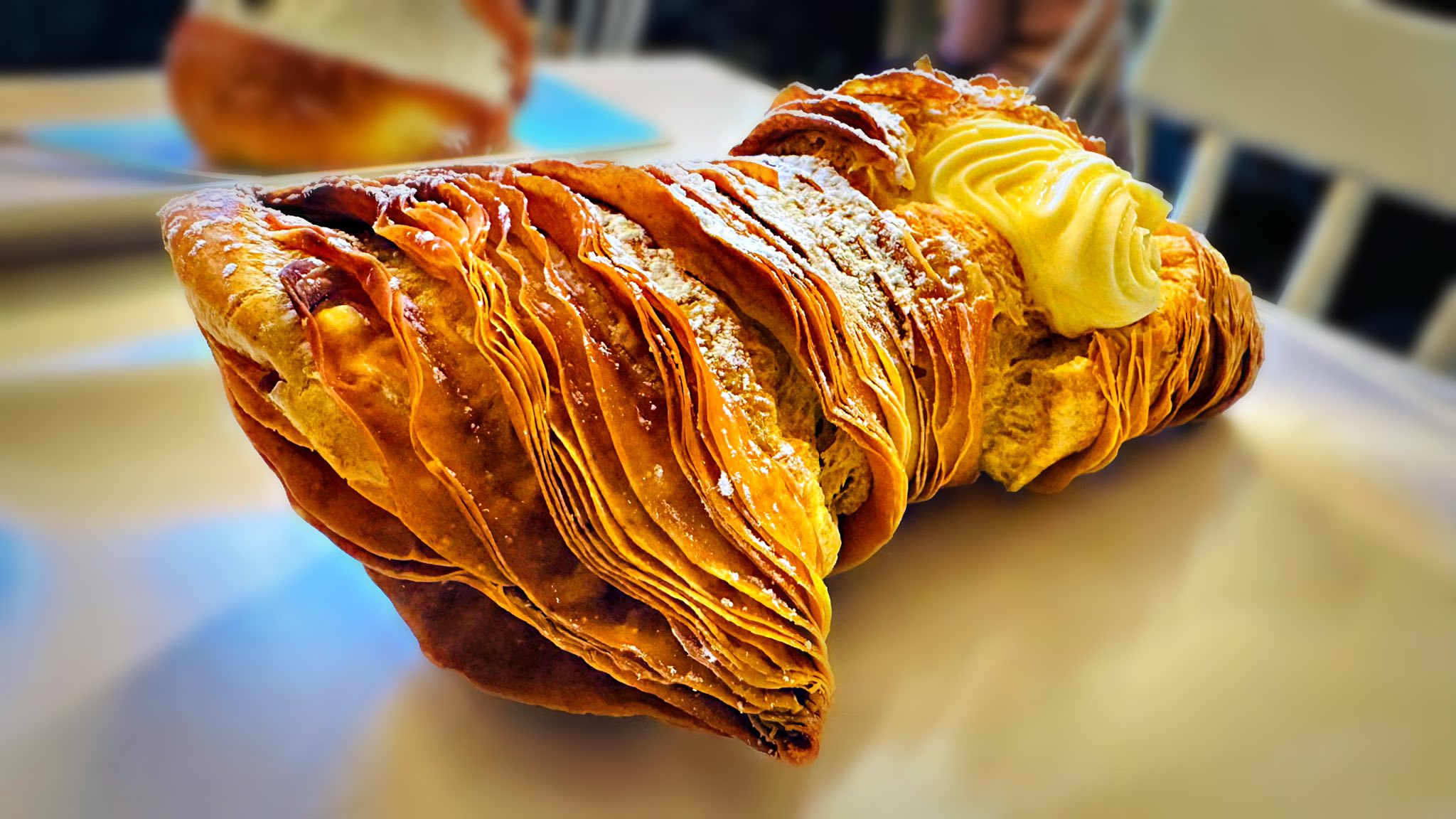
Code d’aragosta is the kind of dessert that looks more spectacular than it seems, and seems simpler than it is. Basically, it’s a long, spiraled puff pastry—crispy outside, filled with cream. Many people confuse it or throw it into the same pot as sfogliatella, but it’s not quite the same. If sfogliatella is rigid, packed with thin layers and asks a bit of work from you, code d’aragosta is gentler, more “café-style,” friendlier.
You break it with your hands, no ceremony. The pastry cracks easily, makes a mess 🤣, breaks off next to the cream—exactly as it should. The cream is smooth, not overly sweet, just enough to balance the crisp dough. It’s the kind of dessert you don’t eat with full concentration, but while you talk, sip your coffee, look around, laugh at something. It doesn’t demand total attention, but it stays in your head.
And I think that’s its charm. It’s not a “wow” dessert from the first bite, not something you photograph from ten angles. It’s the dessert Italians eat with a coffee, without treating it like an event. And that’s exactly why it’s good. Because it’s part of their normal life, not part of a menu designed for tourists.
Exactly the kind of thing that, next to an honest Sicilian cannolo and a maritozzo that wins you over slowly, gives you that feeling that you’re not on a city break, but in an ordinary afternoon, lived in the right place.
Sfogliatella was born out of improvisation in a monastery, when a nun, so as not to throw away a leftover mixture of semolina, milk, and candied fruit from the meal, hid it inside dough stretched into thin sheets, buttered and folded patiently. She wasn’t chasing perfection, but salvation. What came out was crisp on the outside and soft, fragrant, almost indecent on the inside. Later, the recipe came down from the monastery into the city, was refined, obsessively layered, and ended up in the display cases of Naples. And code d’aragosta is its cheekier child—the urban, hedonistic version, elongated, filled with cream—born when Italians decided desserts shouldn’t only be respected, but eaten with appetite, with coffee, without regrets.
Last run. Last sandwiches. The circle closed.
On January 2nd I went out for a run. No goal, no time, no drama. Just me, the sea, and the city that, after a few days, no longer felt foreign. Cold, clean air, quiet. The kind of run that isn’t about sport, but about putting your thoughts back where they belong. Monopoli was calm, almost empty, and it did it a world of good. I ran, I stopped, I looked, I enjoyed it all. All of it.
Back at the accommodation, the last small magic was waiting: leftovers. All those carefully bought things, all those neatly sliced pieces, all that abundance left from the previous days. We put everything on the table and made sandwiches the kind you rarely get to eat. Divine ones. Good bread, prosciutto, pancetta, cheeses, vegetables—without counting, without calculating. We packed them nicely and took them with us. For the road. For the airport. For later. Exactly the kind of food you don’t eat in a rush, even if you’re in a rush.
And now comes that lovely irony you laugh about to yourself. At the airport, of all things, I ended up eating a grilled octopus sandwich. Yes, exactly that. Puglia-style, no useless sauces, no sales stories. Tender octopus, good bread, that’s it. That clean taste that had hit us on the first night, when we were still tired from traveling and didn’t quite know what was waiting for us.
It felt like the perfect closing. I entered Monopoli through octopus and I left the same way—like a circle that closes on its own, without forcing it. Sometimes the best endings aren’t planned; they happen.
In three days, this town gave us much more than good food. It gave us people who look you in the eye, places that don’t rush to be beautiful, and that rare feeling that you’re not just a passerby with luggage—that for a few hours, you’re part of its rhythm. Monopoli doesn’t hit you at first. It isn’t loud, it isn’t performative. But if you leave it alone, if you walk slowly, if you sit at the table without rushing and get lost on little streets that seem forgotten by time, it starts to stick to you.
Maybe that’s why I keep coming back. Not for “sights,” not to tick off places. But for the way life flows normally. For the little grocers, for the cafés where no one asks you what you want to be, only what you want to drink. For the people who, out of nowhere, tell you what they did 50 years ago. This is the Italy I love. And if you make it here, do yourself a favor: drop the lists, forget the guides, walk into places with no big sign on the door, stay a little longer than you planned. Monopoli knows on its own what to show you.
Gallery